Bodhgaya Temple

BODHGAYA CRAFT HERITAGE

Buddhist texts reveal that the present Bodhgaya was once known as
“ Uruvela”, a hamlet on the banks of Niranajana in the midst of forest, where Buddha spent years in search of wisdom and finally attained enlightenment under the Bodhi Tree. The Sanchi stone panel very imaginatively portrays villagers busy in the day to day activities.

Since time immemorial crafts have been part of human activities. Craft animates and binds us all. The initial utilitarian needs of village life led to the demand for household objects which with the passage of time added finesse and excellence to the mundane objects and transformed them to different art and craft forms.
Bodhgaya and Gaya have been a treasure trove and nerve center of various art, craft and handloom traditions which sustained through ages and its clusters are still existing and carrying forward these traditions even to these modern days.

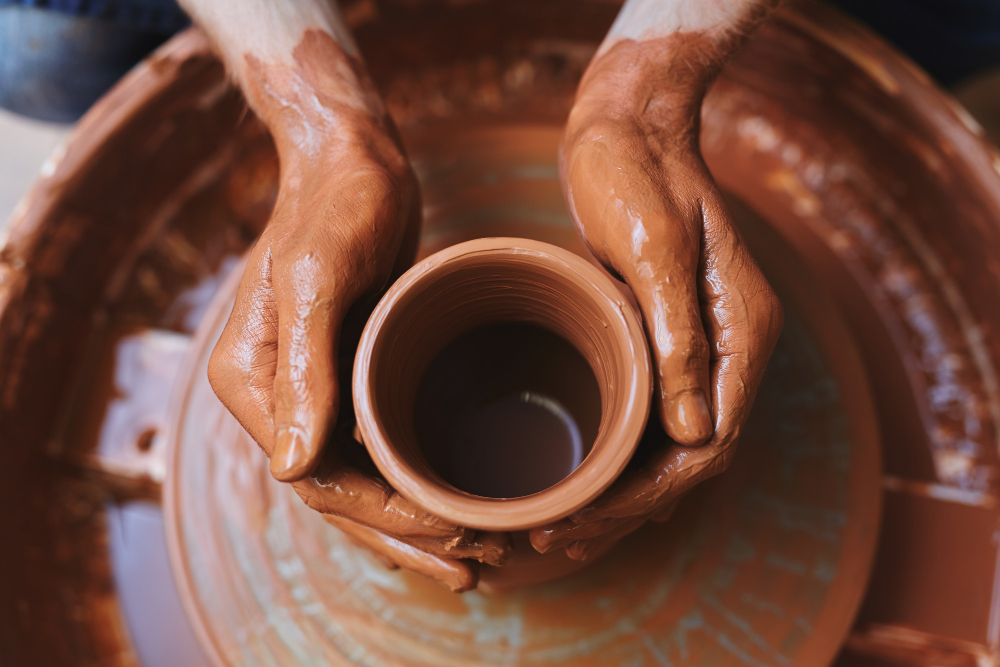
POTTERY

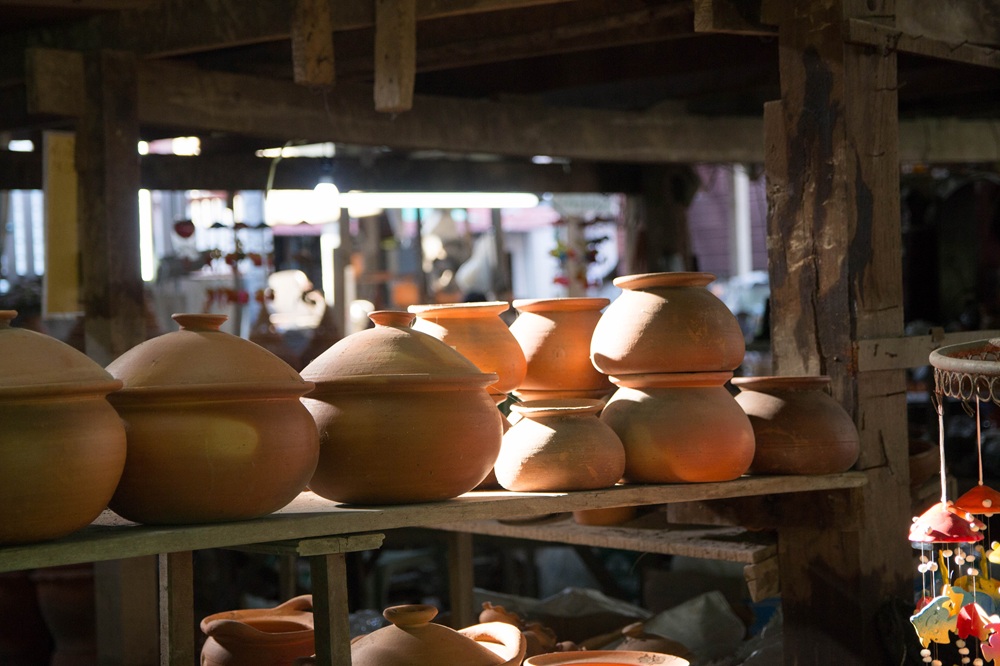
Since time immemorial the wheel reflects and represents the civilizational developments taking place over years and centuries. Buddha’s “ Dharmacakrapravartana” or the Turning of the wheel of Dharma represents the evolution of the essence of wisdom through churning of the ascent of knowledge, defeating the forces of darkness or ignorance. In consonance with this thought it could be easily derived that the wheels of progress peculate down to the fact that the initial inhabitants of our land first took to the craft of pottery to meet their daily needs and from there began the journey of pottery, which by and by gave birth to ideas for of different objects in this field like pots and jars of all sizes to store water, grains, lamps for festivals, idols for festivals, clays toys for children etc. In these present times, cluster of potters can be seen in and around Bodhgaya, on road side or in villages.

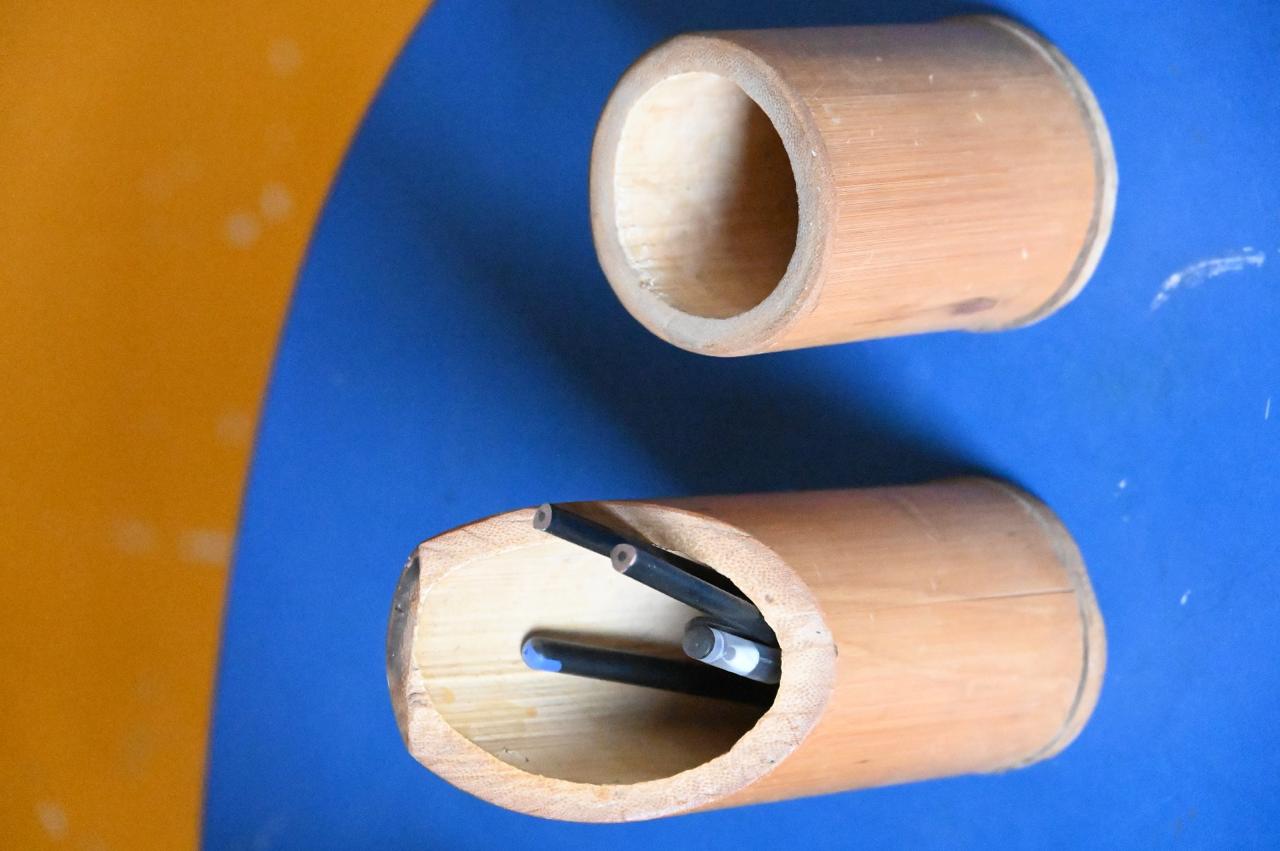
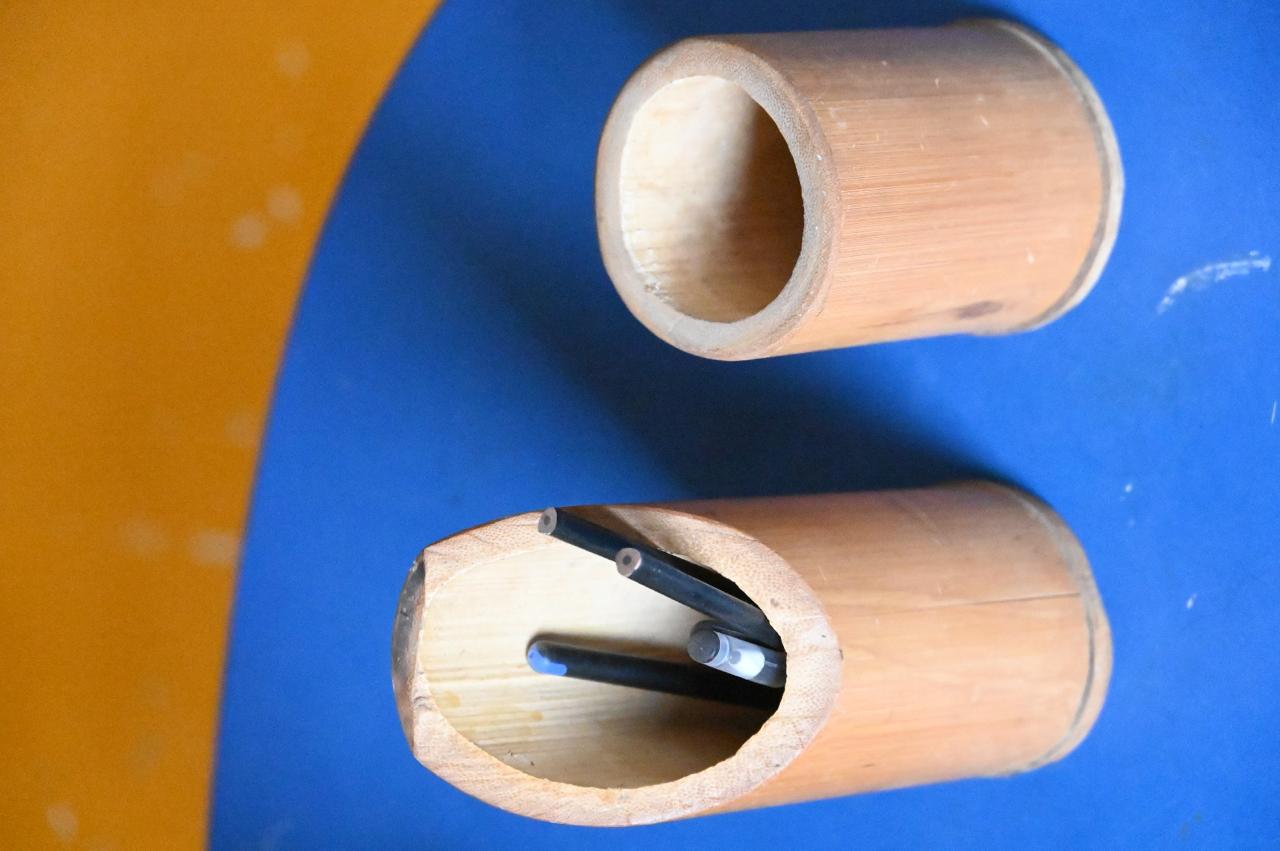
BAMBOO CRAFT

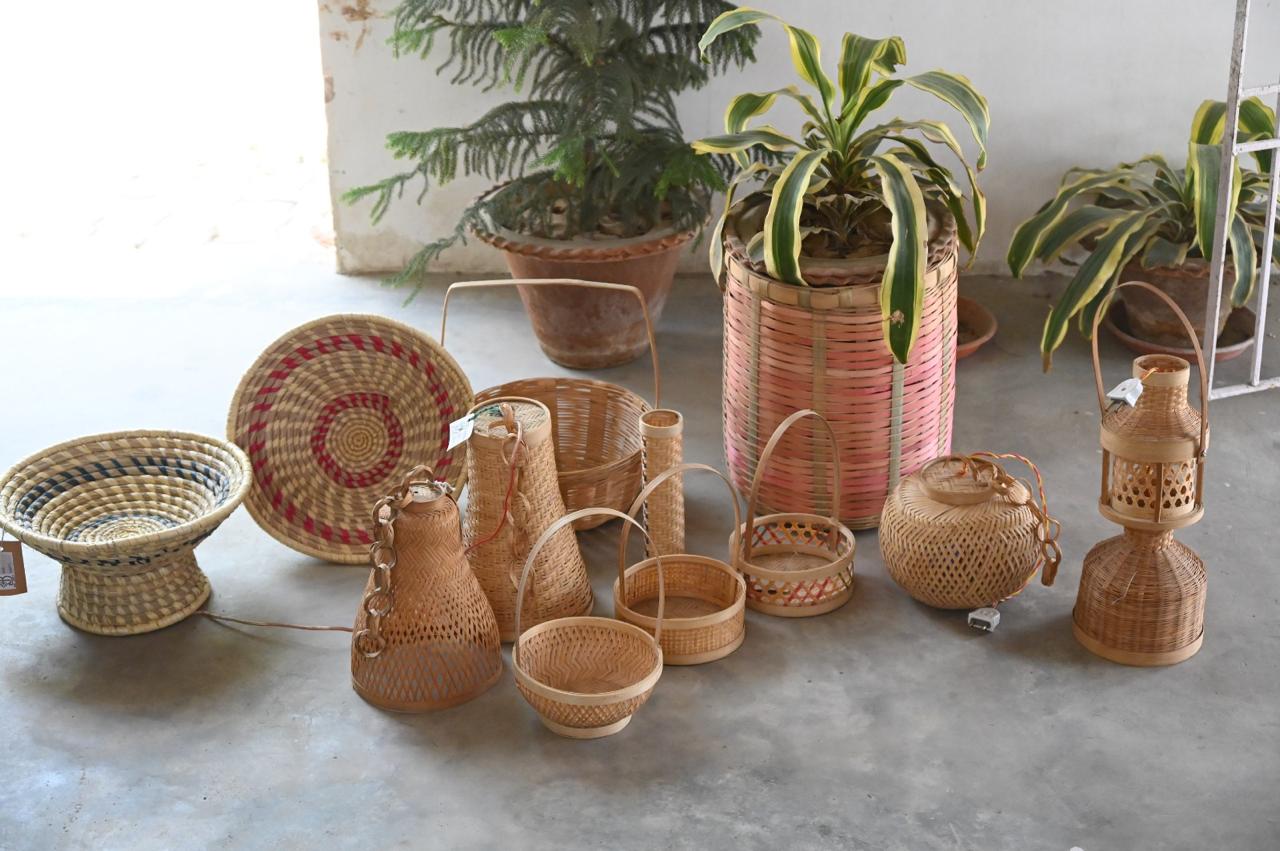
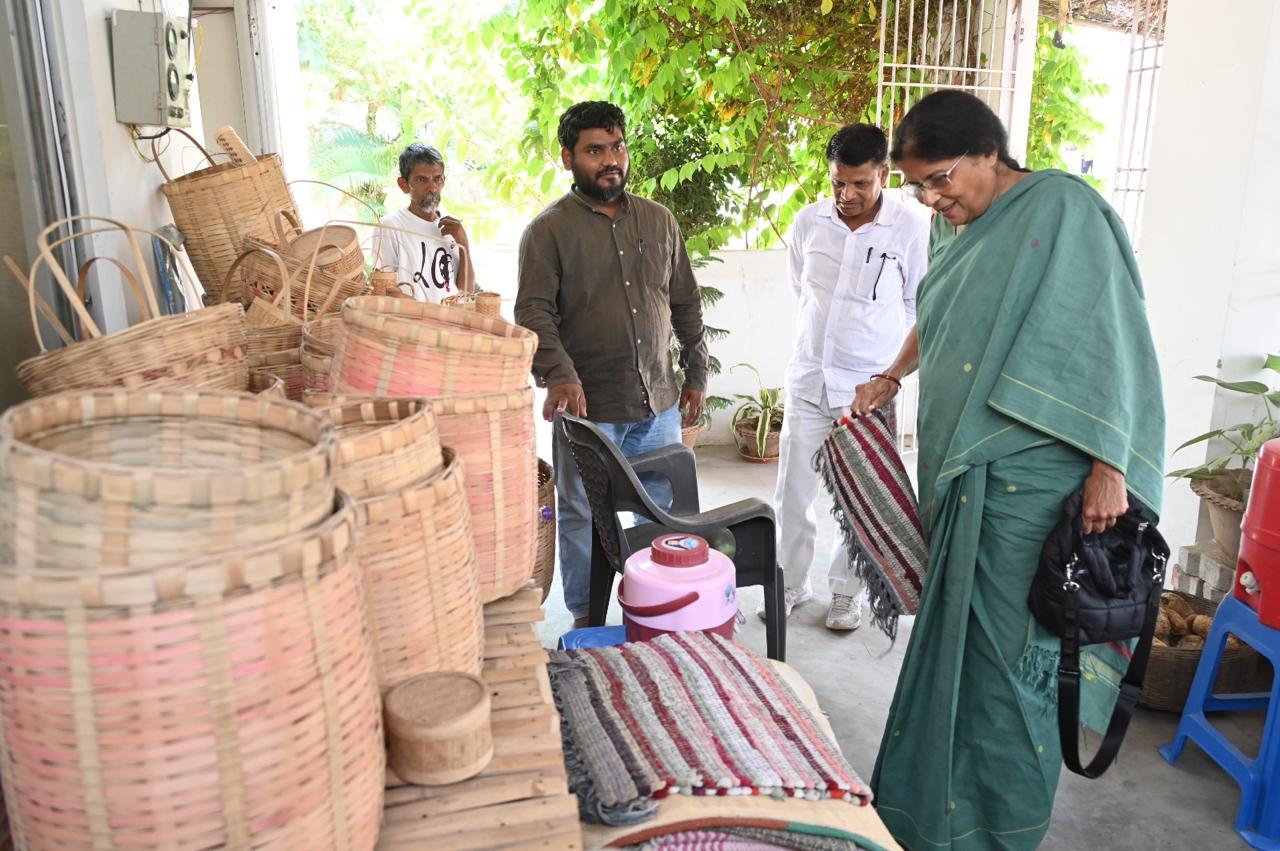
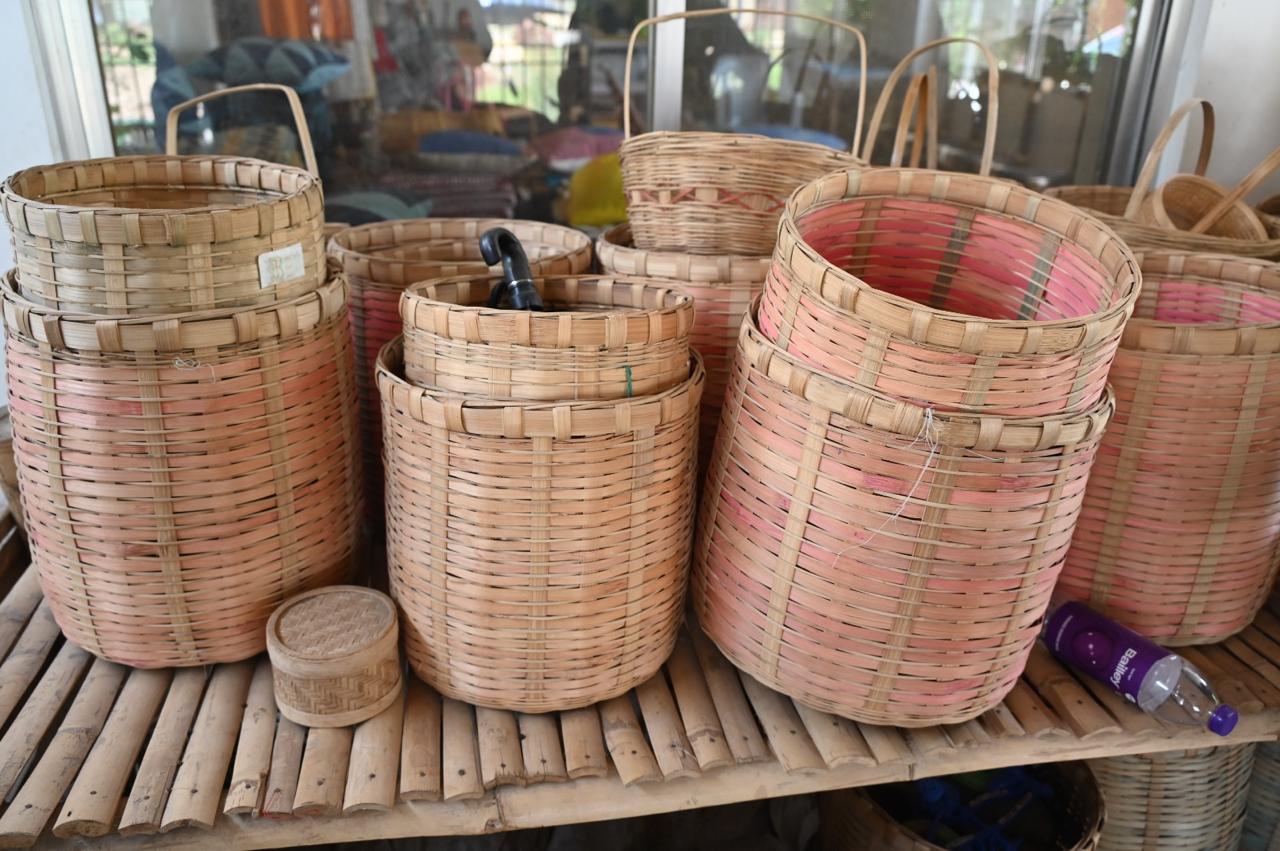
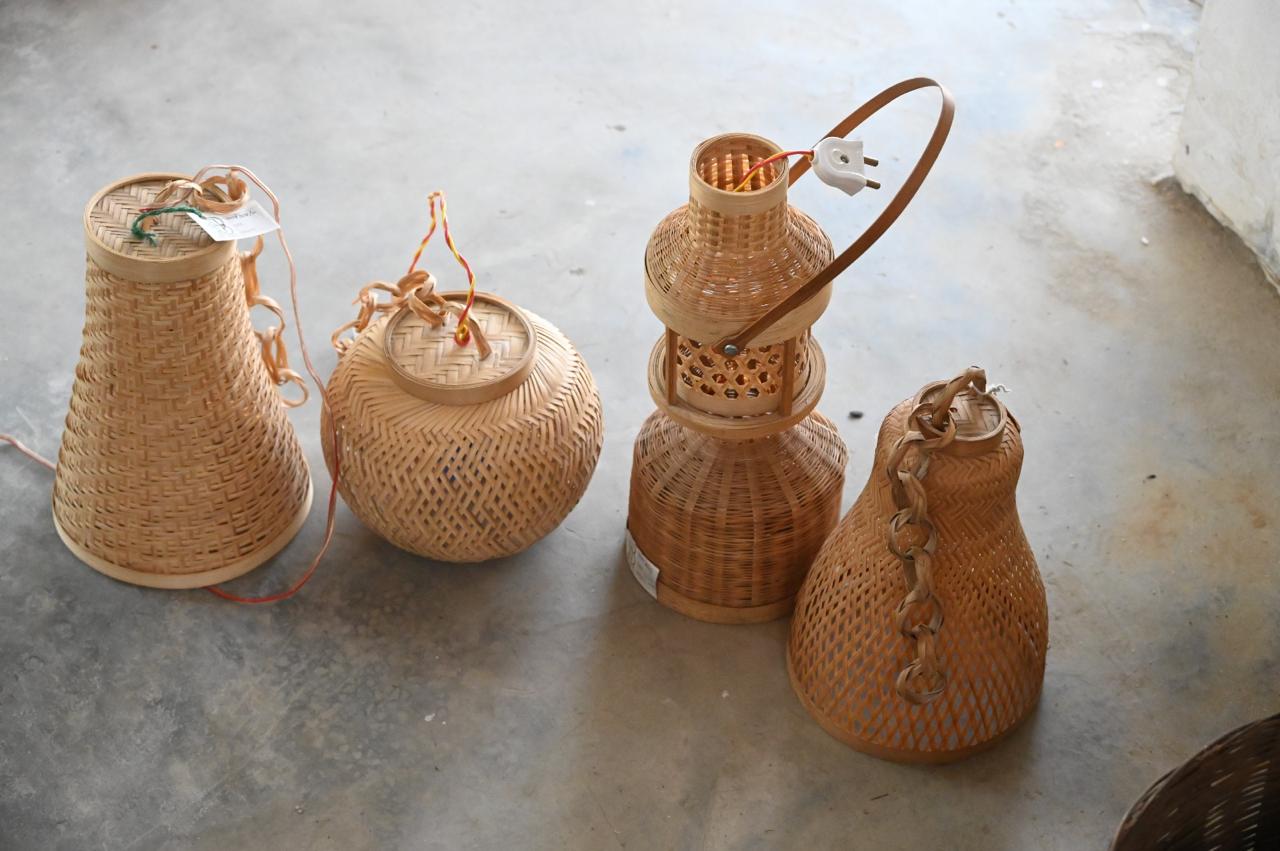
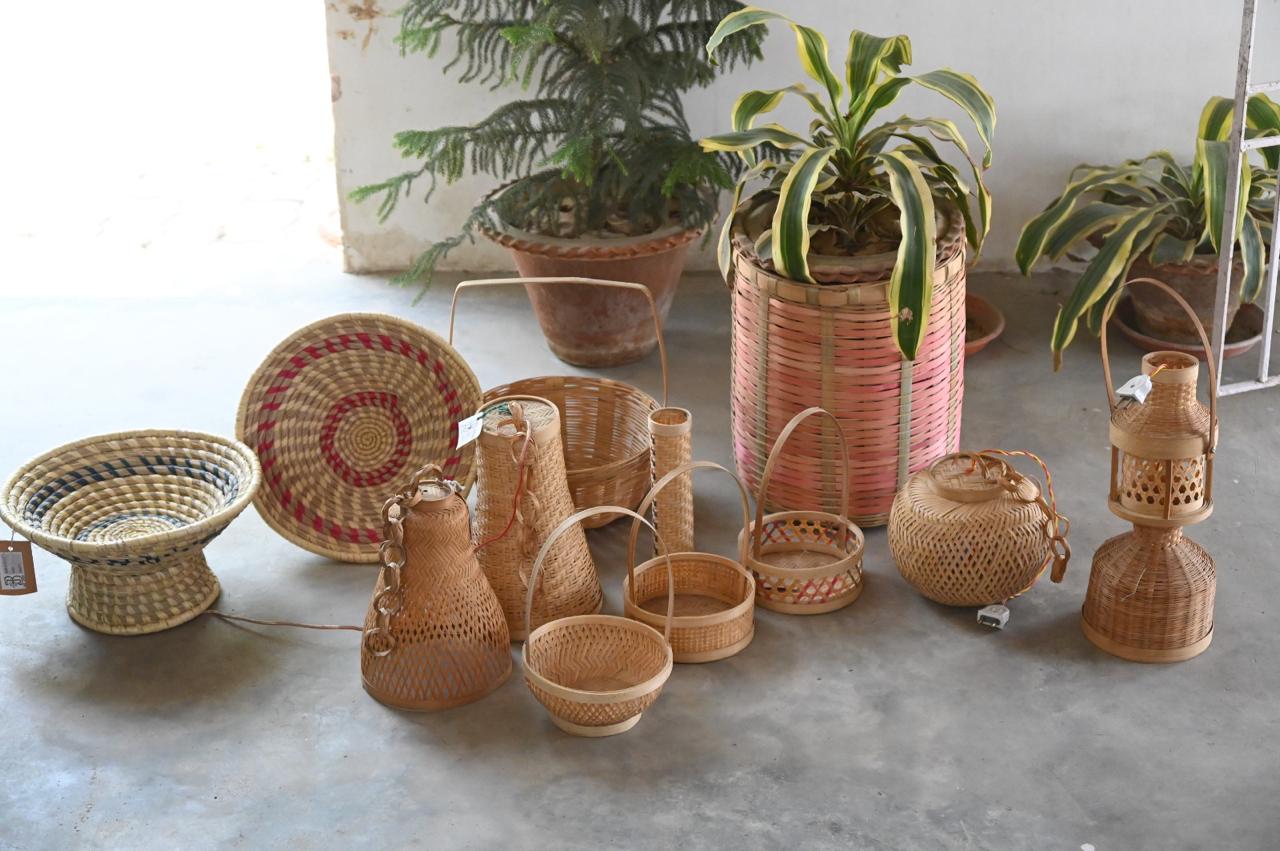
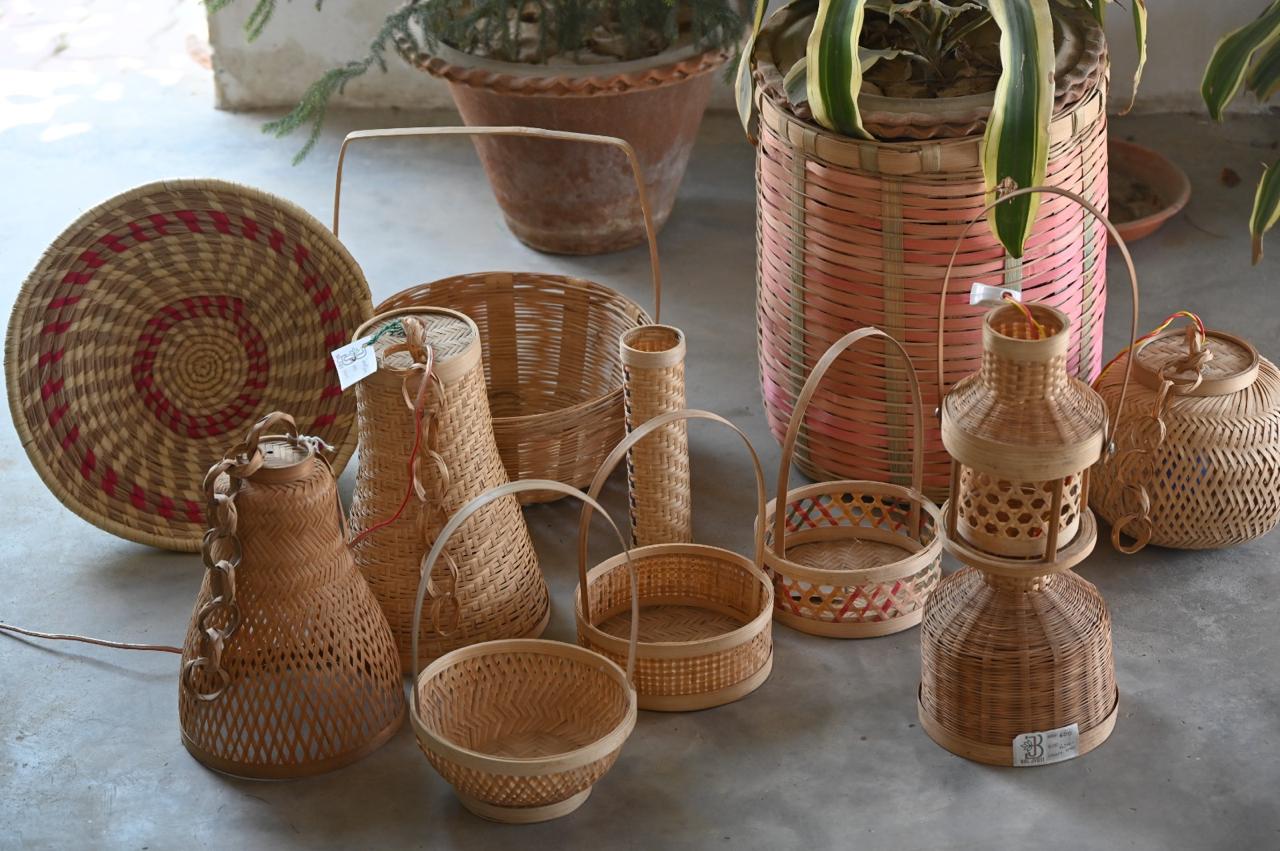
From the early days of the civilizational evolution, man realized the importance of the qualities of Bamboo, which were readily available and grown in abundance around them. He realized the qualities of Long, supple and smooth body of bamboo plants in making strong hut structures for his dwelling and making bows and arrows for hunting animals and weaving baskets for carrying food , mats for sleeping on floor and many other utilitarian objects. The first Buddhist Vihara for accommodating Buddha’s disciple was built in the Royal Bamboo Grove ( Venu Van) by King Bimibisara of Magadh in Rajgrih . Buddhist Text “ Vinaya Pitaka” has references where Buddha encouraged His disciples to use bamboo slippers and mats.
At present times the importance of bamboo craft cannot be understated. Most of the South-east Asian Countries, which prophesied to Buddhist faith, the usage of bamboo is still prevalent and is growing by the day. In India, the North-Eastern part of the Country, are the shinning example of bamboo usage.
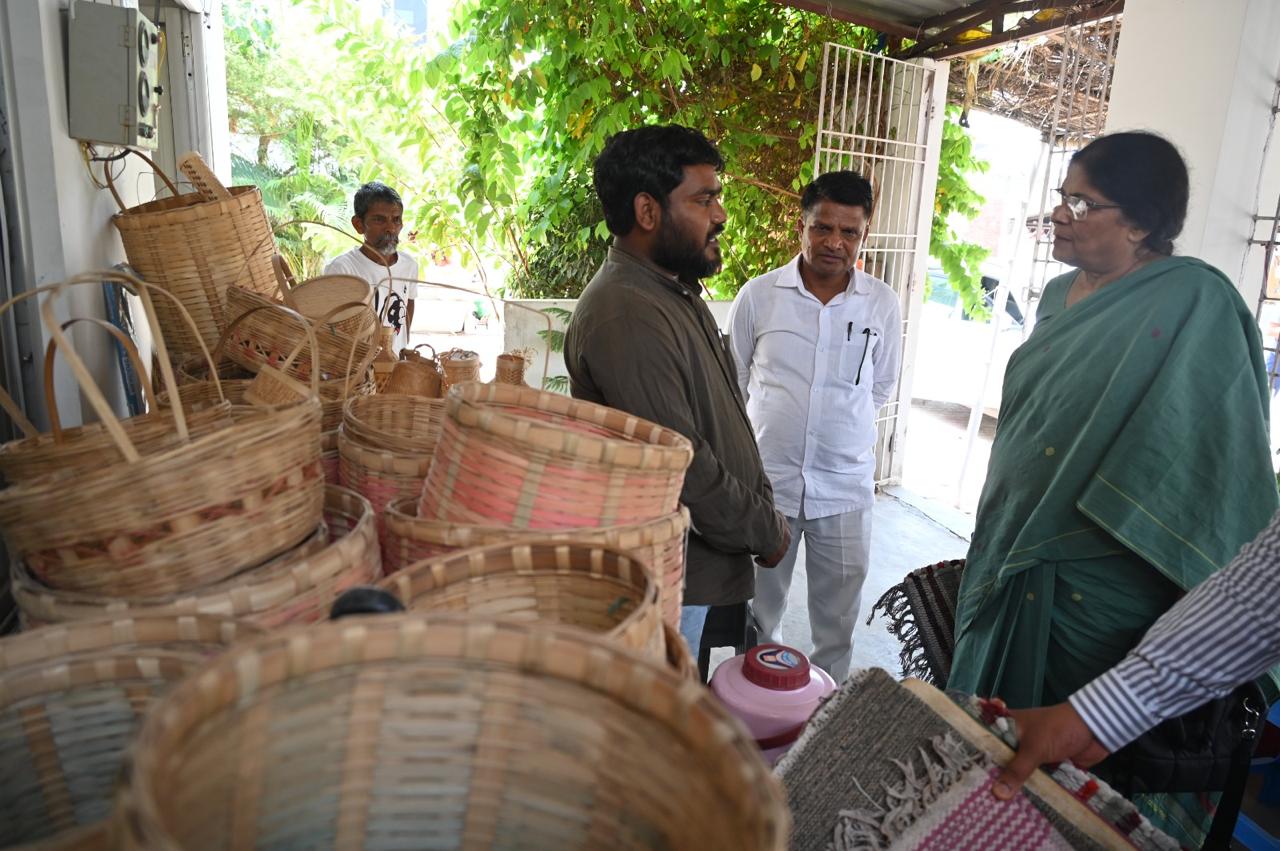
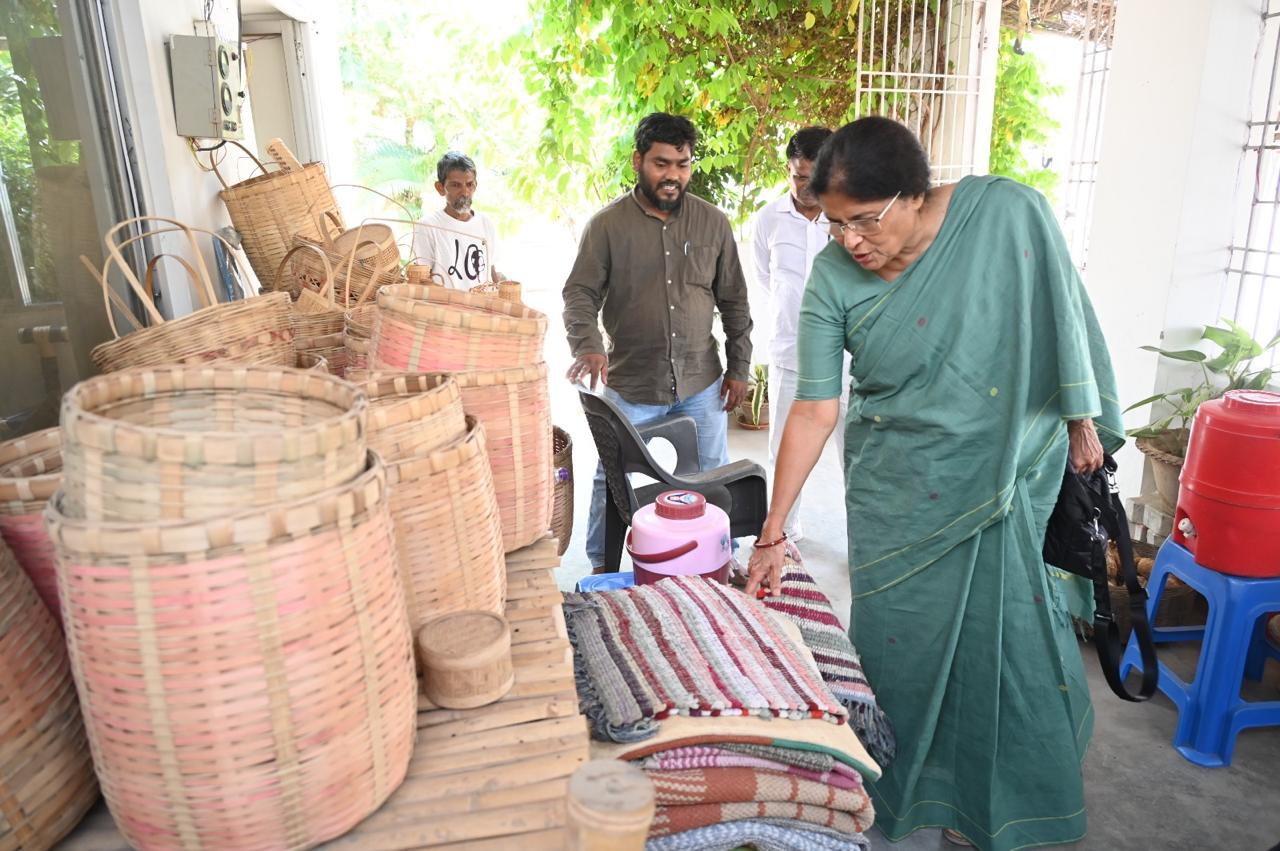
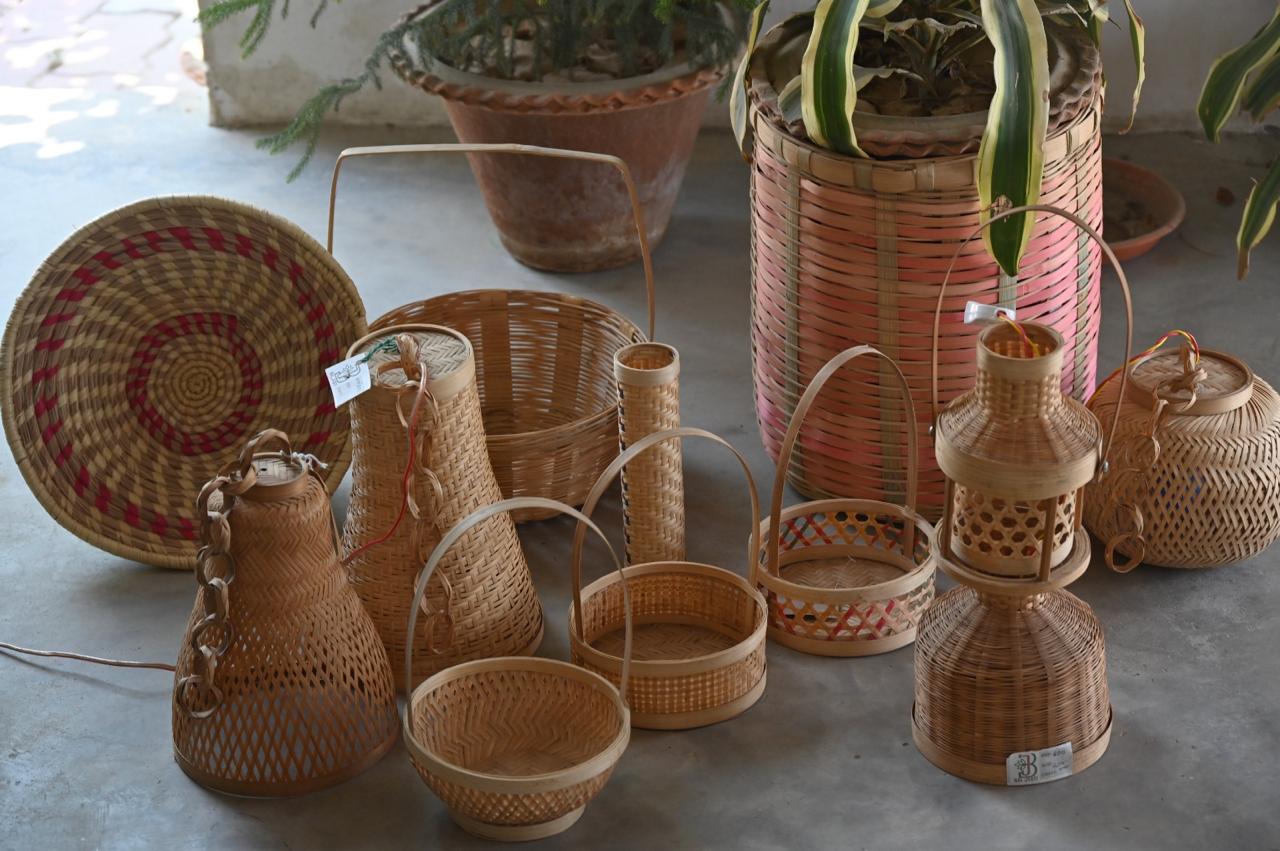
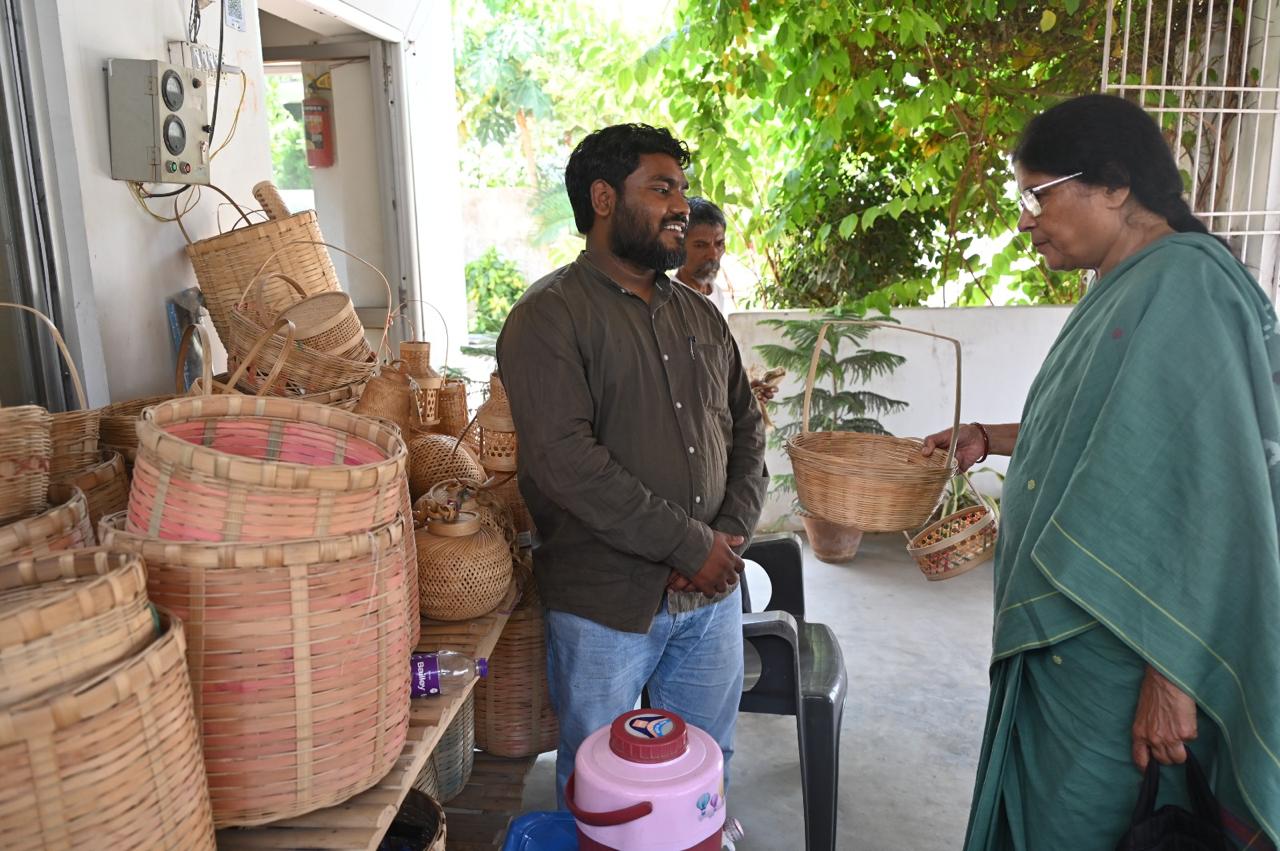
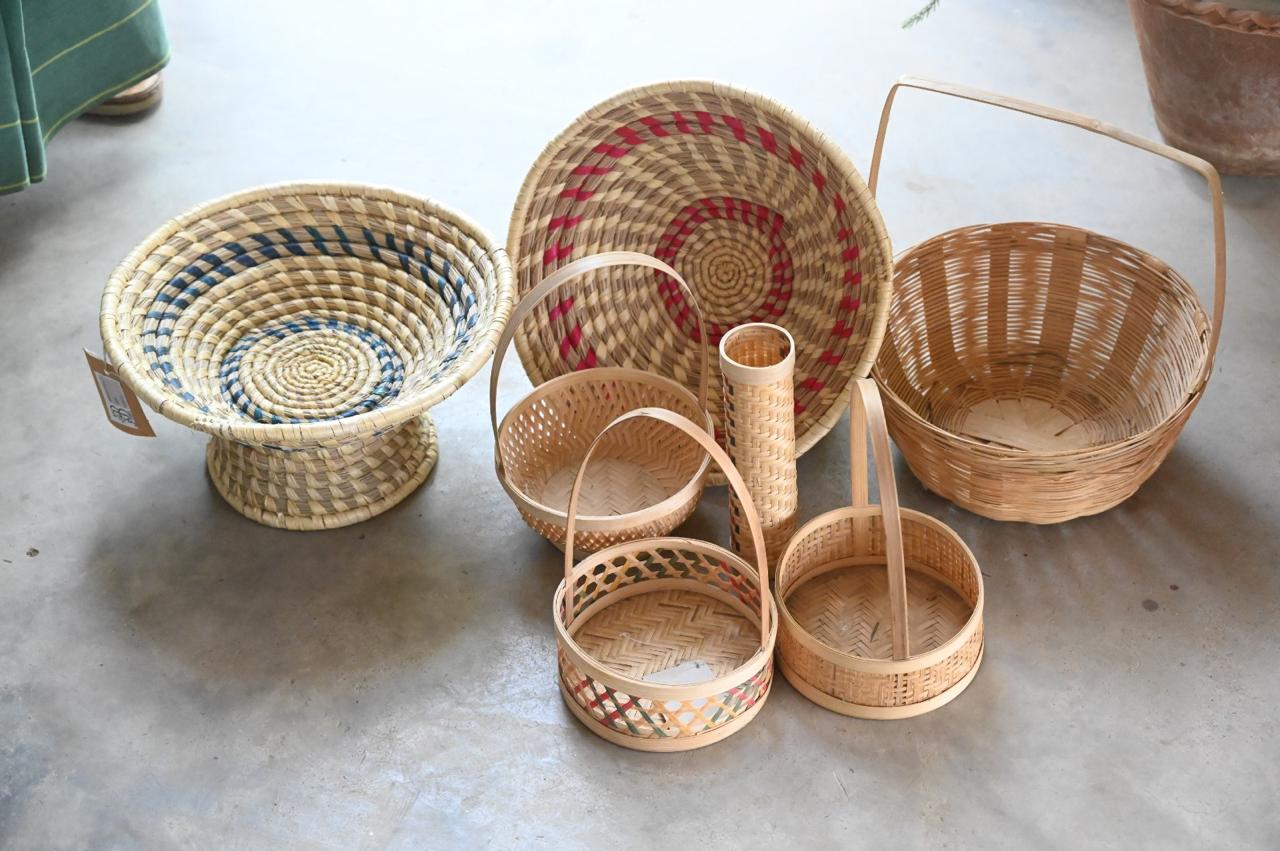
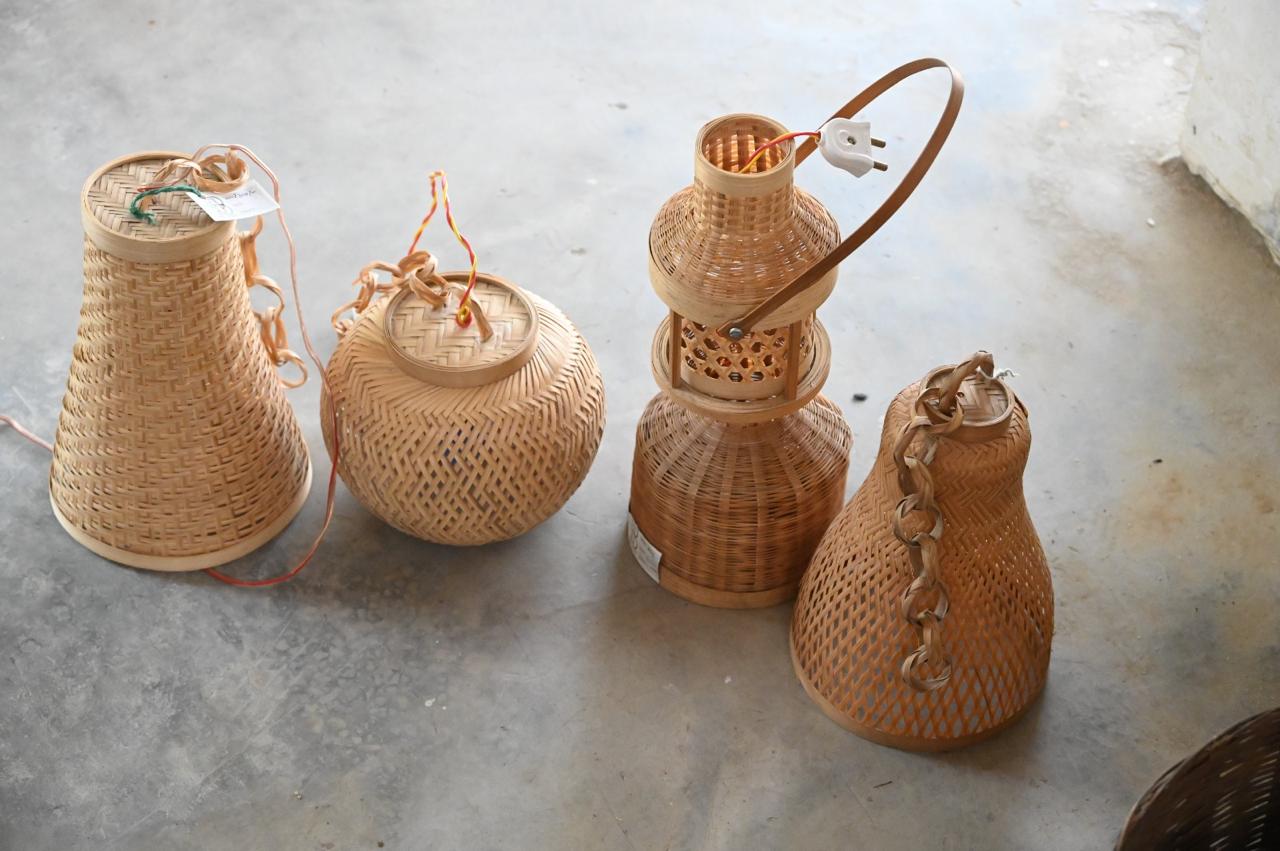
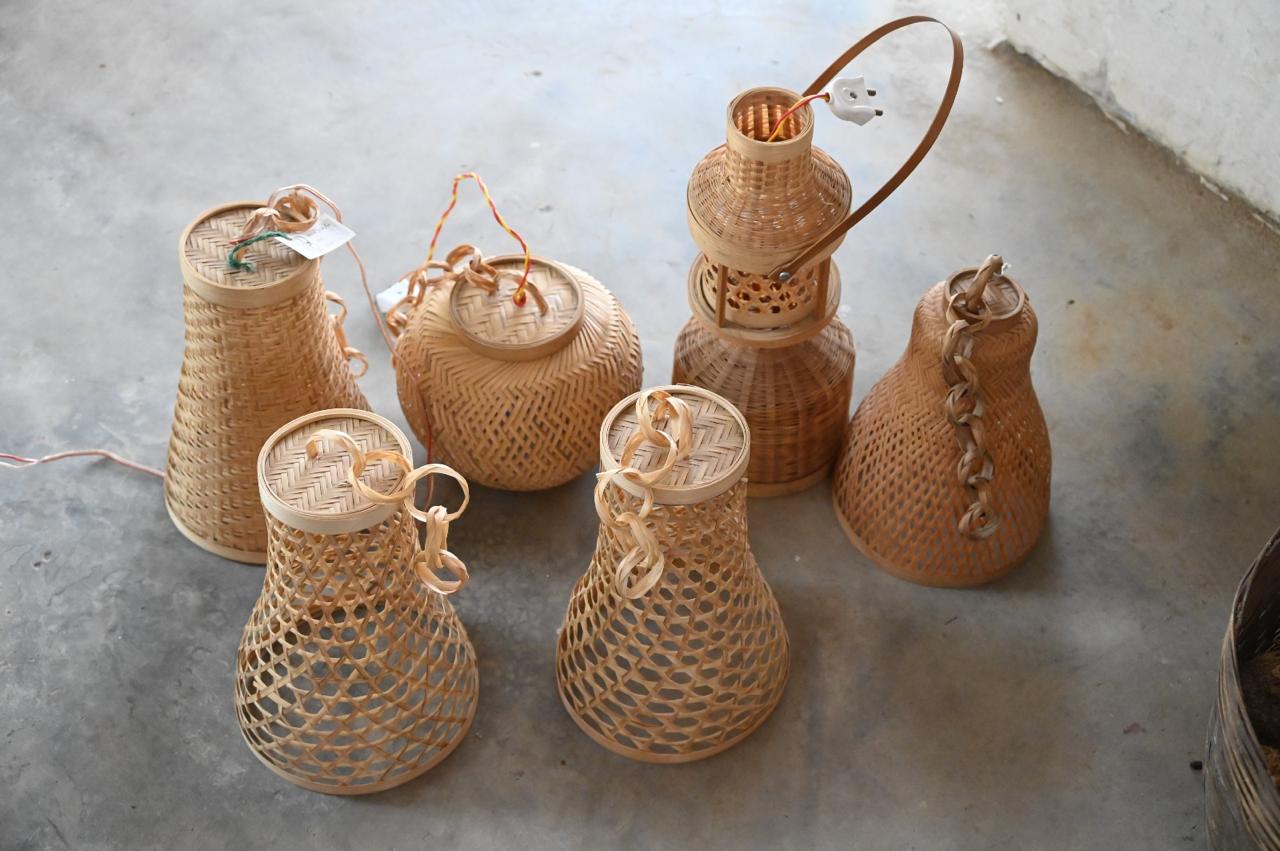
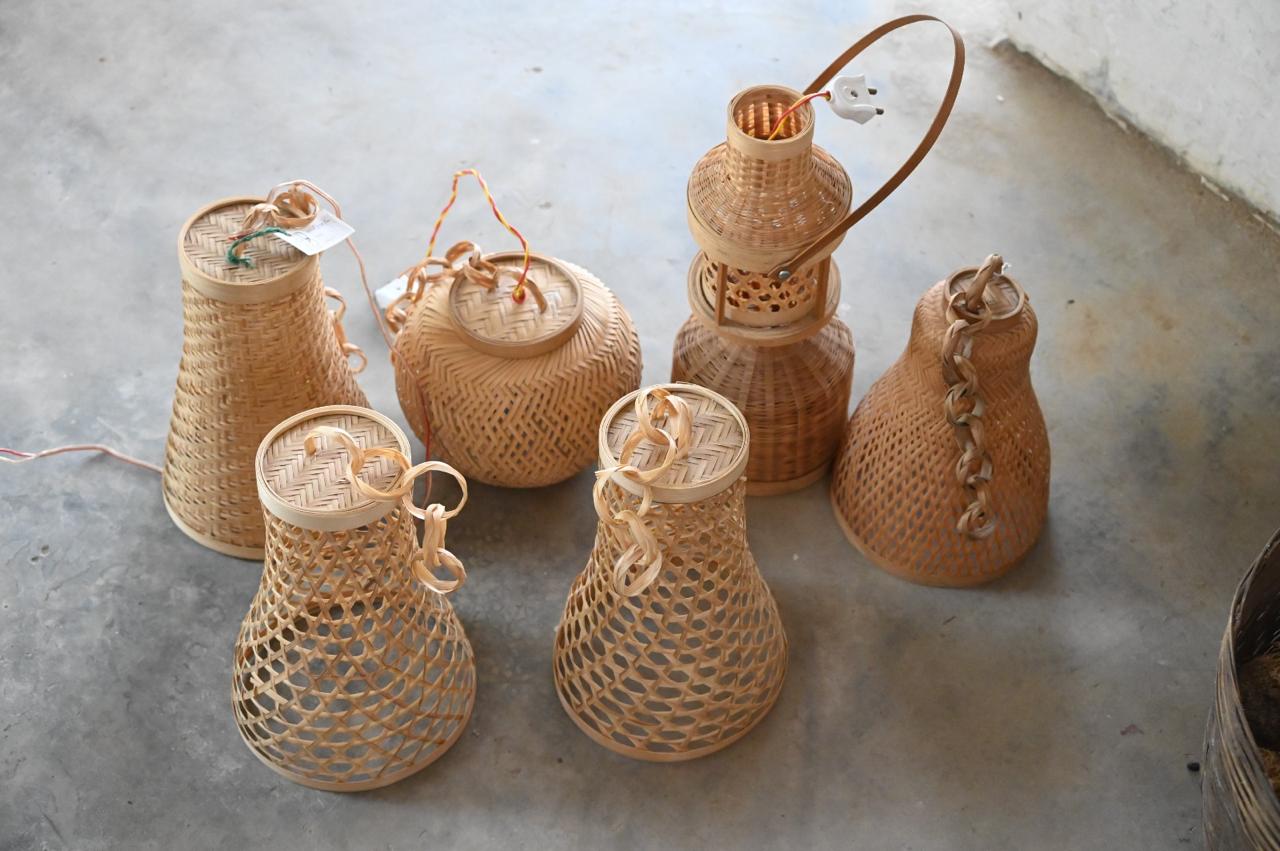
Although the successive centuries have shown a decline in the utilitarian necessity of bamboo products but in Bihar and many parts of rural India , the usage of bamboo is still prevalent , as we all know- “India lives in villages”. The cost effectiveness and availability of bamboo will always make these Bamboo products an all-time favorite amongst the needy for their sustenance and for the well to do for the fulfillment of their style and art . This has helped Bamboo gradually evolve into an art form . Bamboo and cane furniture, vases, lamp stands etc. are quite popular amongst city dwellers and are in great demand in modern homes.
STONE CRAFT

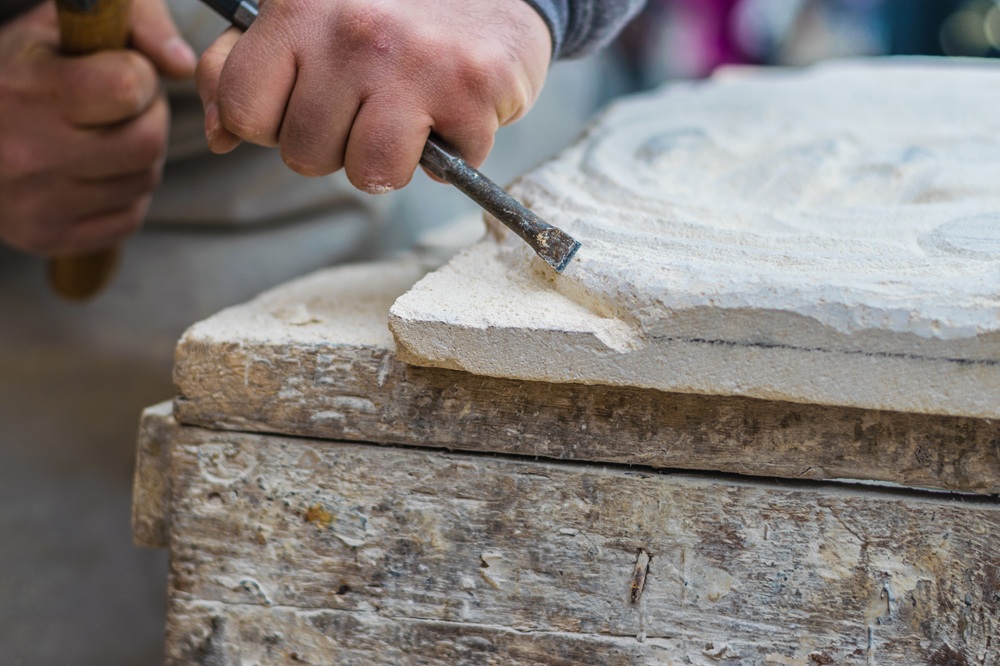
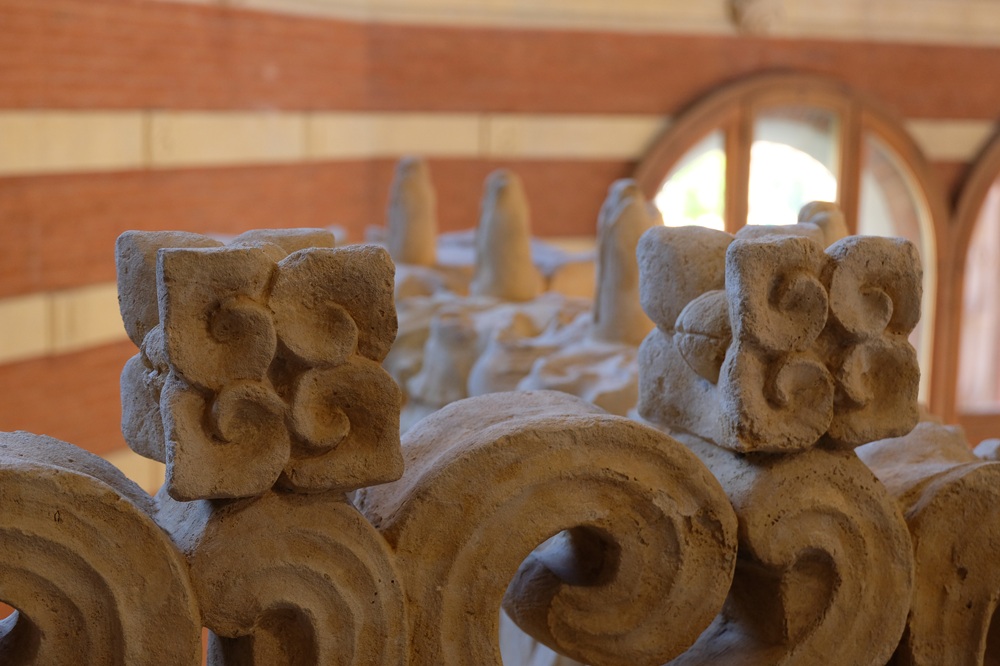
Chiseling stone and turning it into a marvelous piece of art has been an age old practice of this region. Since the early days of Asokan empire to the Sunga, Gupta and Pala period, the stone carvers of the region were engaged into creating masterpieces crafted out of hardest stones of black and grey granite available from the quarry near “Pattharkatti village near Bodhgaya. The name “Patthakatti” literally means stone cutter. The village is an internationally renowned cluster of highly skilled sculptors practicing this art for generations. The Mahabodhi Mahavihara is the treasure trove of exquisitely carved black stone statues of Buddha , Votive stupas, sandstone Vajrasana, railings , Torana dwar and several other masterpieces. Many families of traditional sculptors at Pattharkatti and adjoining villages still practice this skill for their livelihood. Industry Dept. of the. Govt.of Bihar has set up a training centre for training fresh talents under the master artisans.
WOOD CARVING

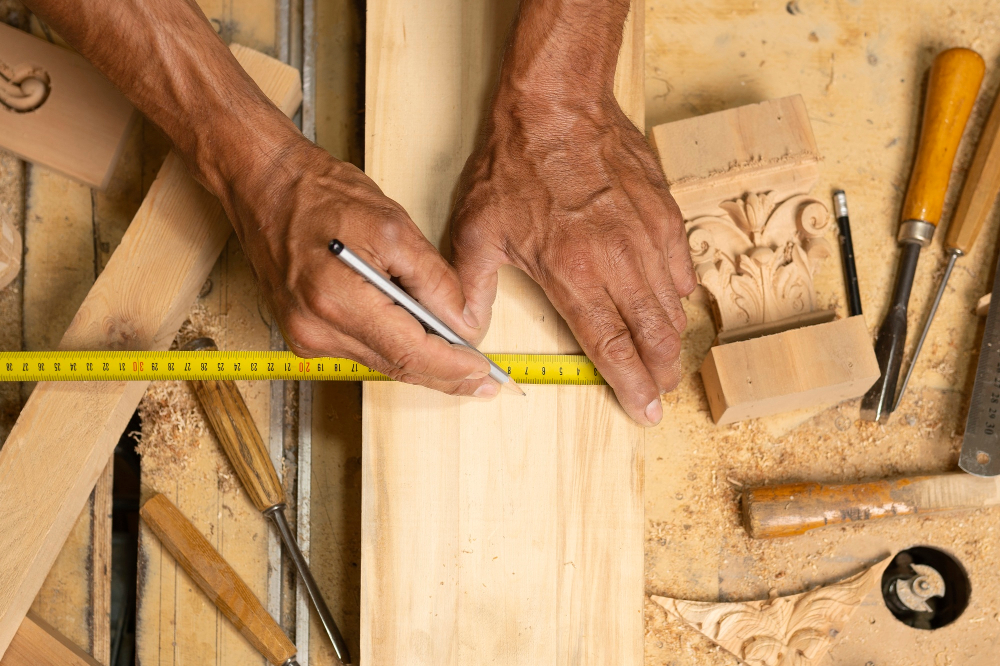
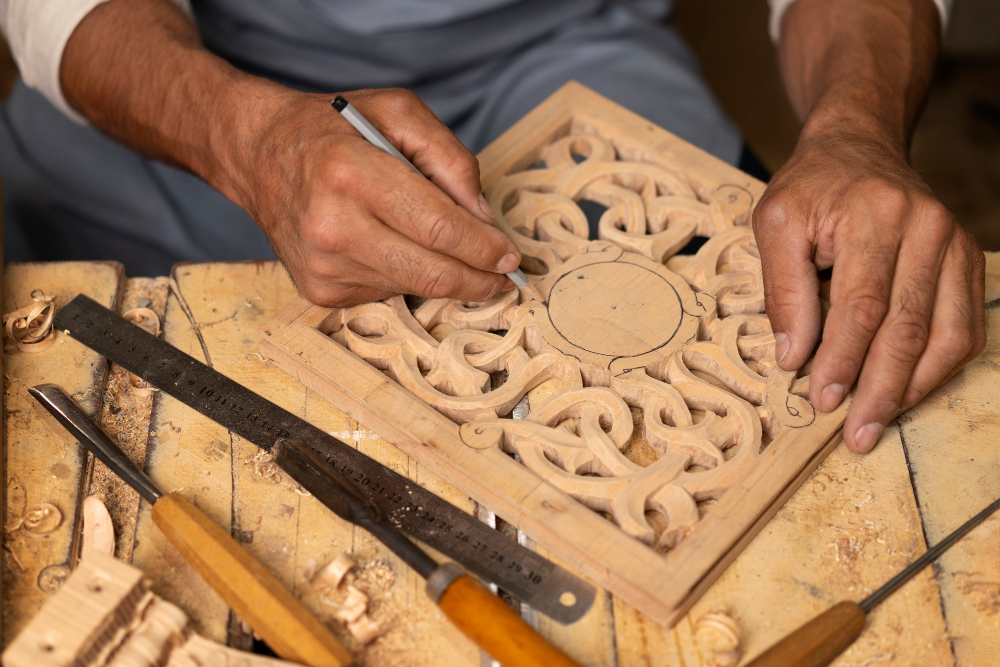
The ancient craft of wood carving has been prevalent here since ancient times. In 6th Cen. B.C. when Buddha had wandered through the Janapandas of Vaishali and Magadha, the houses and Royal abodes were mostly built with bricks, Bamboo and wood and were richly decorated with intricately carved wooden panels, pillars and pelmets. This perhaps was the reason that the palace remains of earlier times could not be found.
Even to this day the soft wood of ‘Gamhar’ Tree ( ‘Beechwood’ or Gmelina arborea) is mostly used in making sculptures of Buddha and replica of Mahabodhi Mahavihara by the wood craftsmen residing near Mucharin village . These artefacts are popular ‘Mementos’ amongst the visiting pilgrims and Tourists.

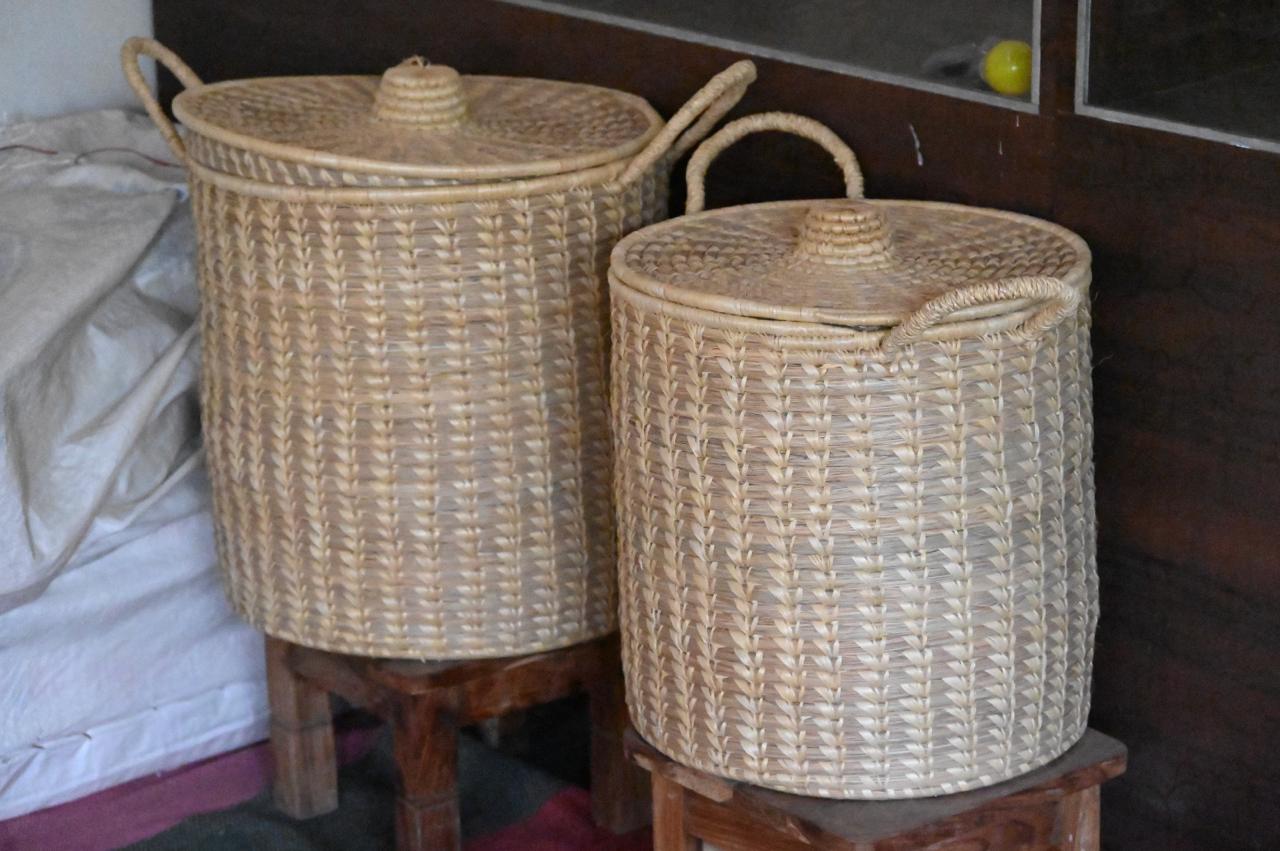
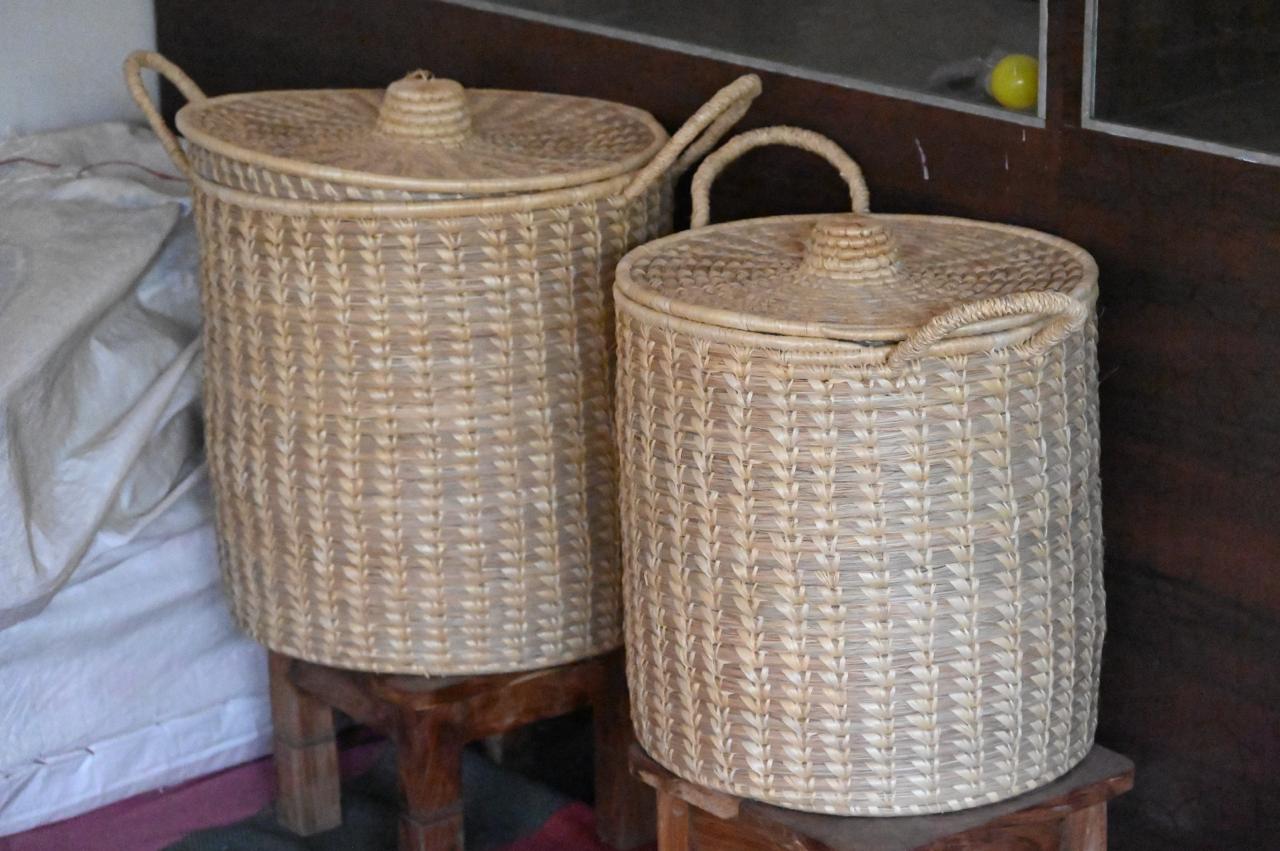
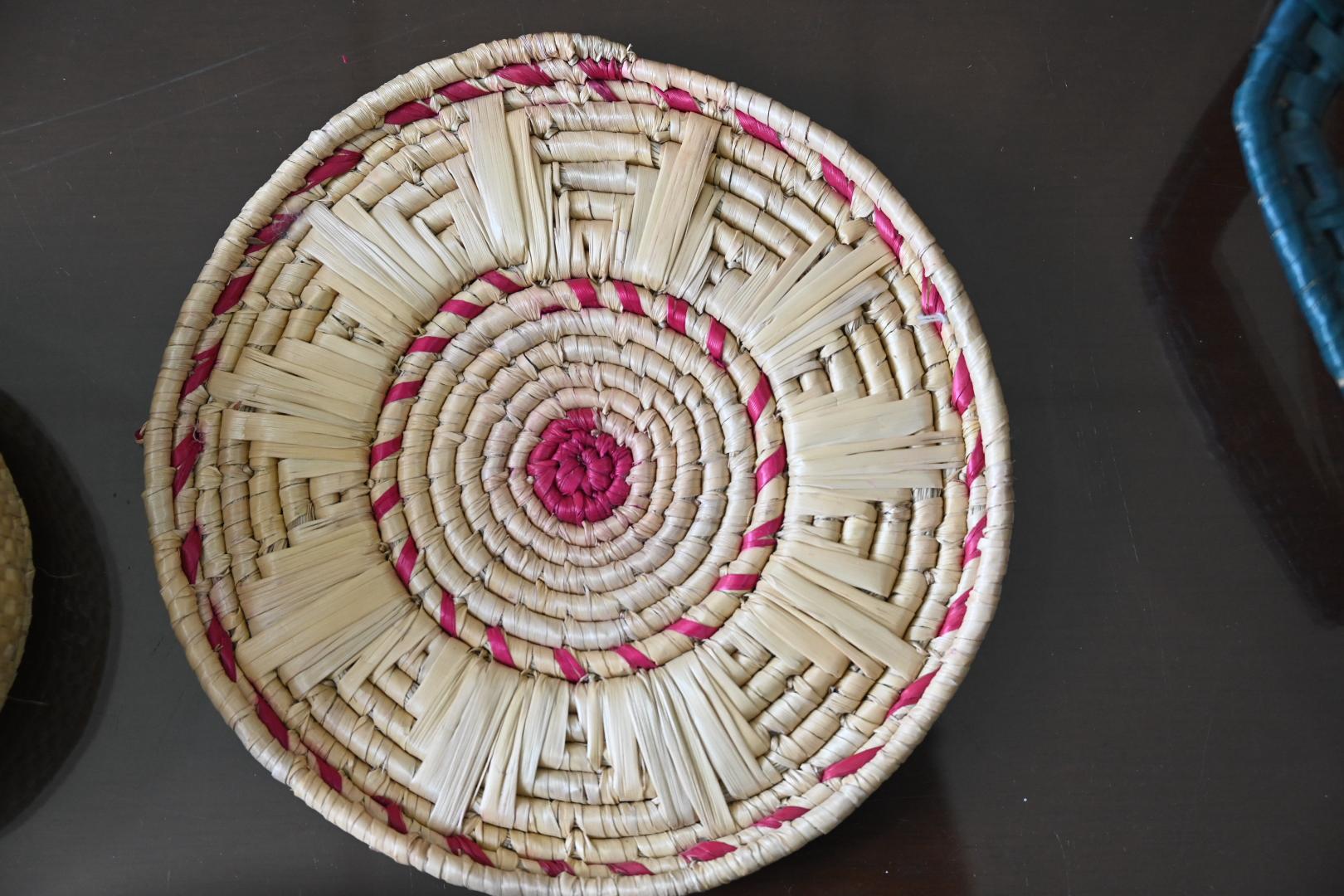
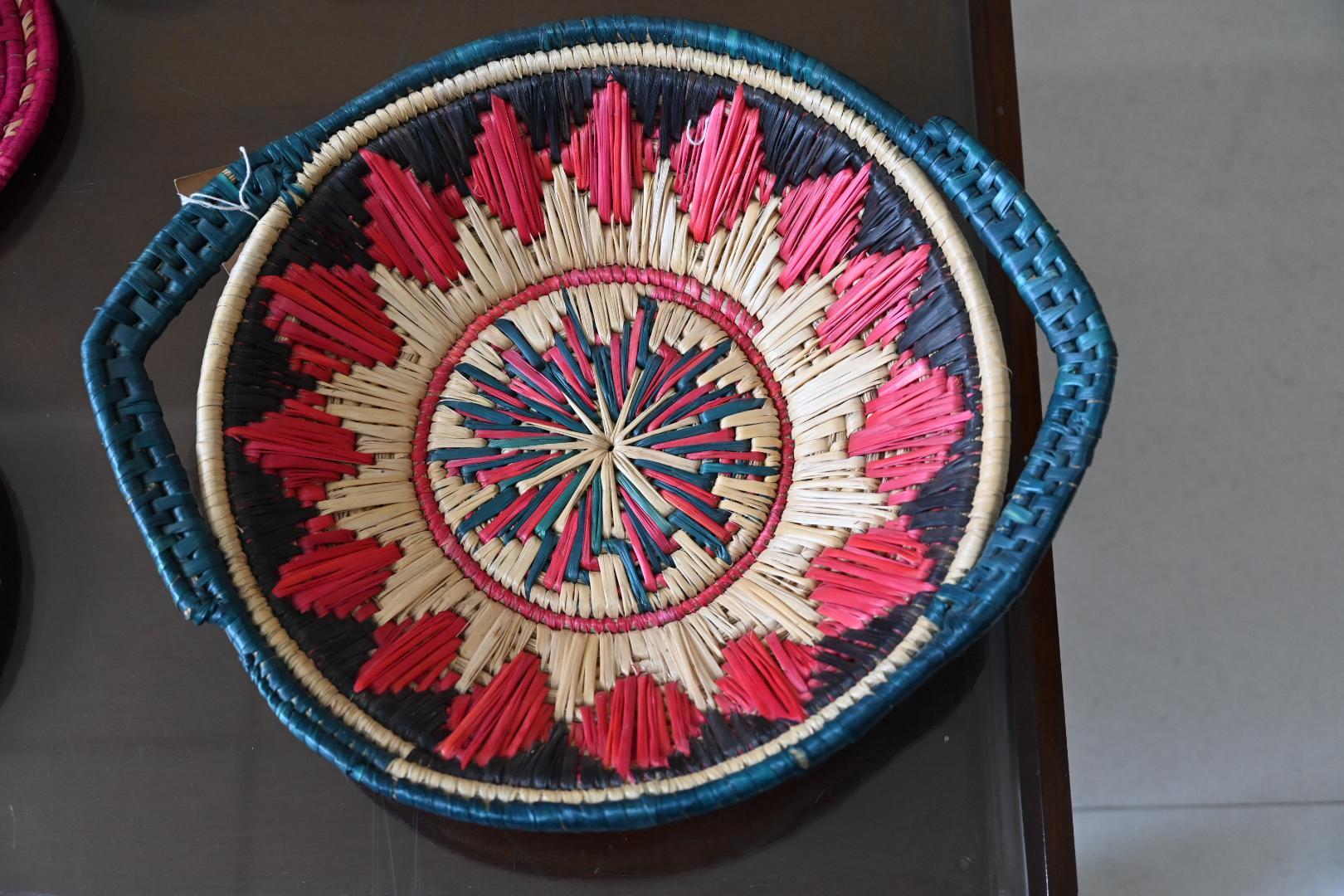
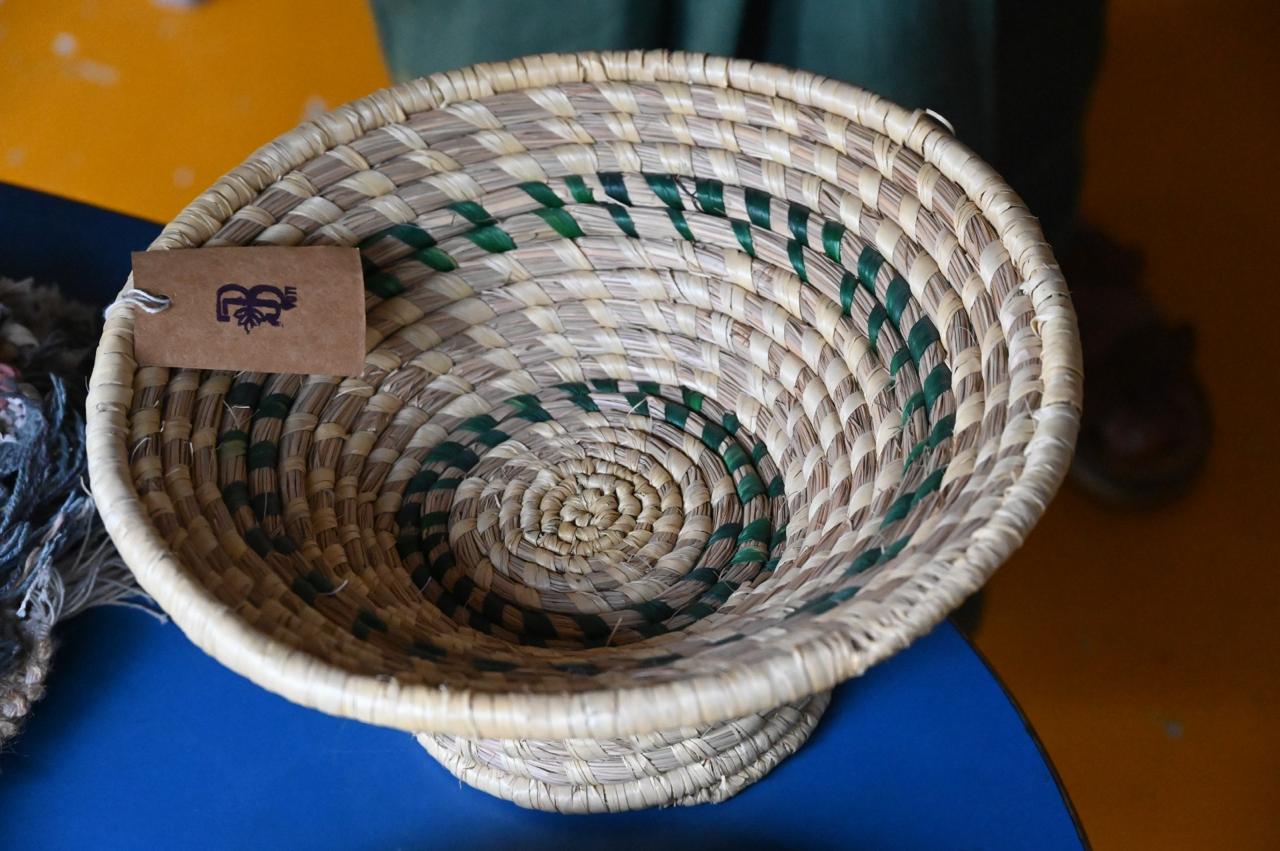
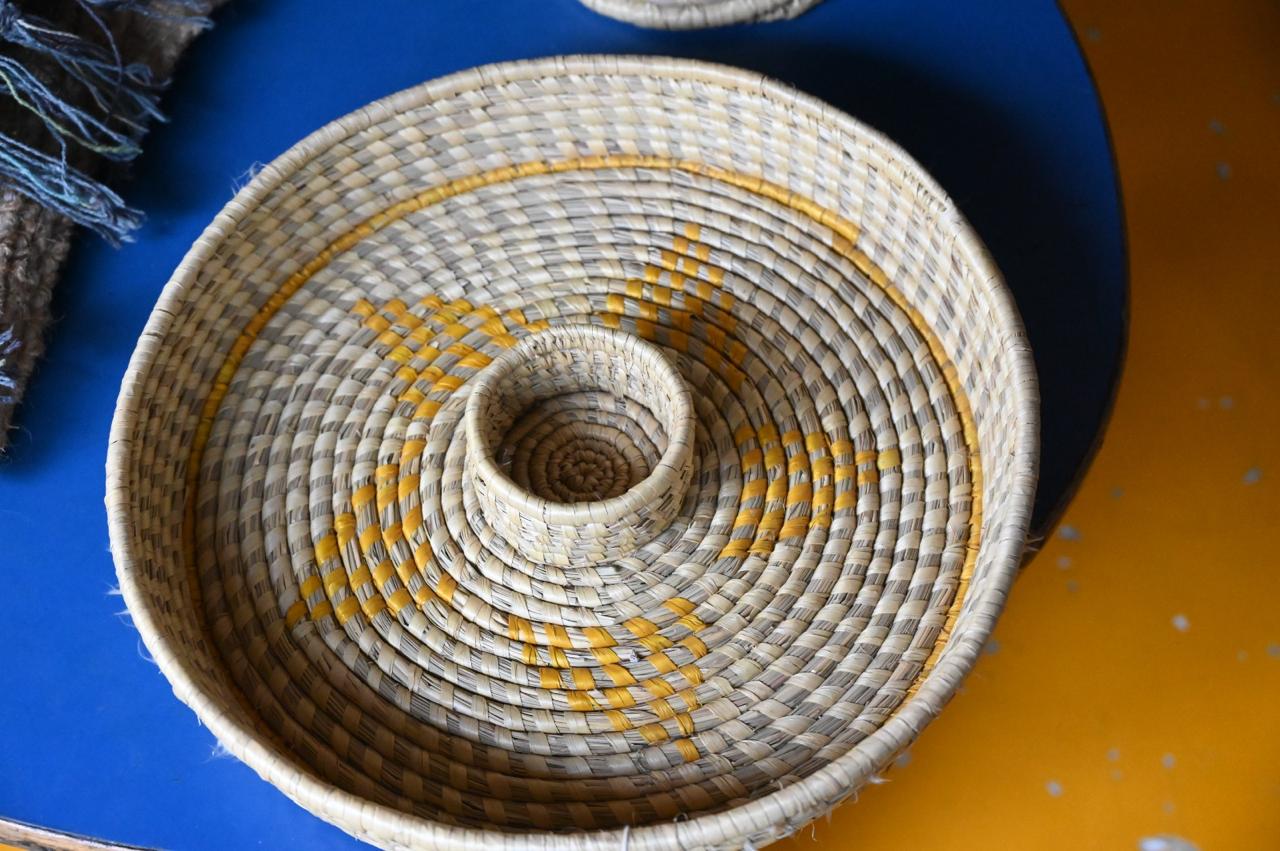
BASKET MAKING WITH PALM LEAVES AND SIKKI GRASS

Gaya is famous for “ TILKUT” , a sweet made of sesame , sugar or jaggery. In winters all the shops in the narrow lanes of Gaya sell this special sweet. Sesame seeds are grown in Gaya during Kharif season. These days the packaging of the sweets are done in red paper boxes. Few decades back palm leaf basket weavers had a thriving business when these sweets were being sold in palm leaf woven boxes. Gradually the cheaper paper boxes drove these basket makers out of business and as a result this age old craft has lost its ground in this region.

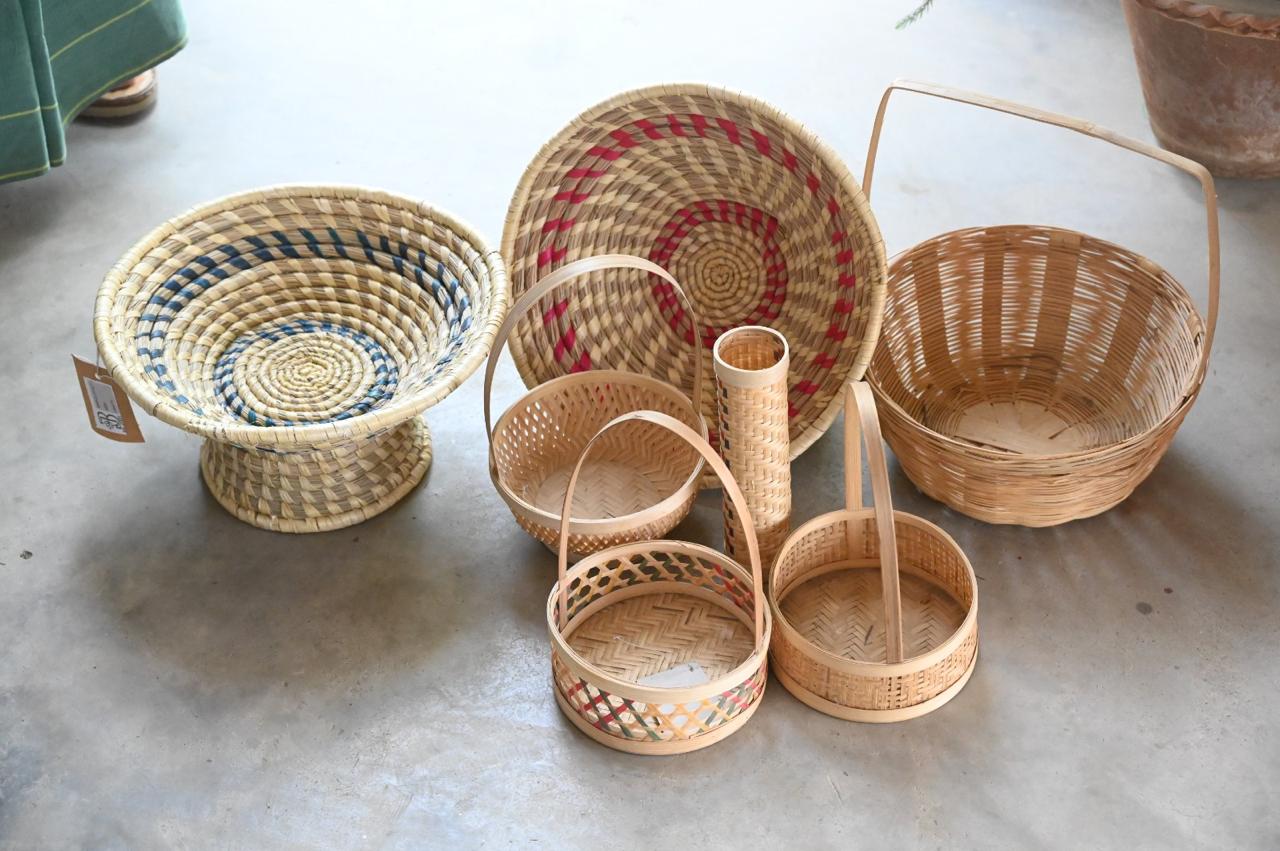
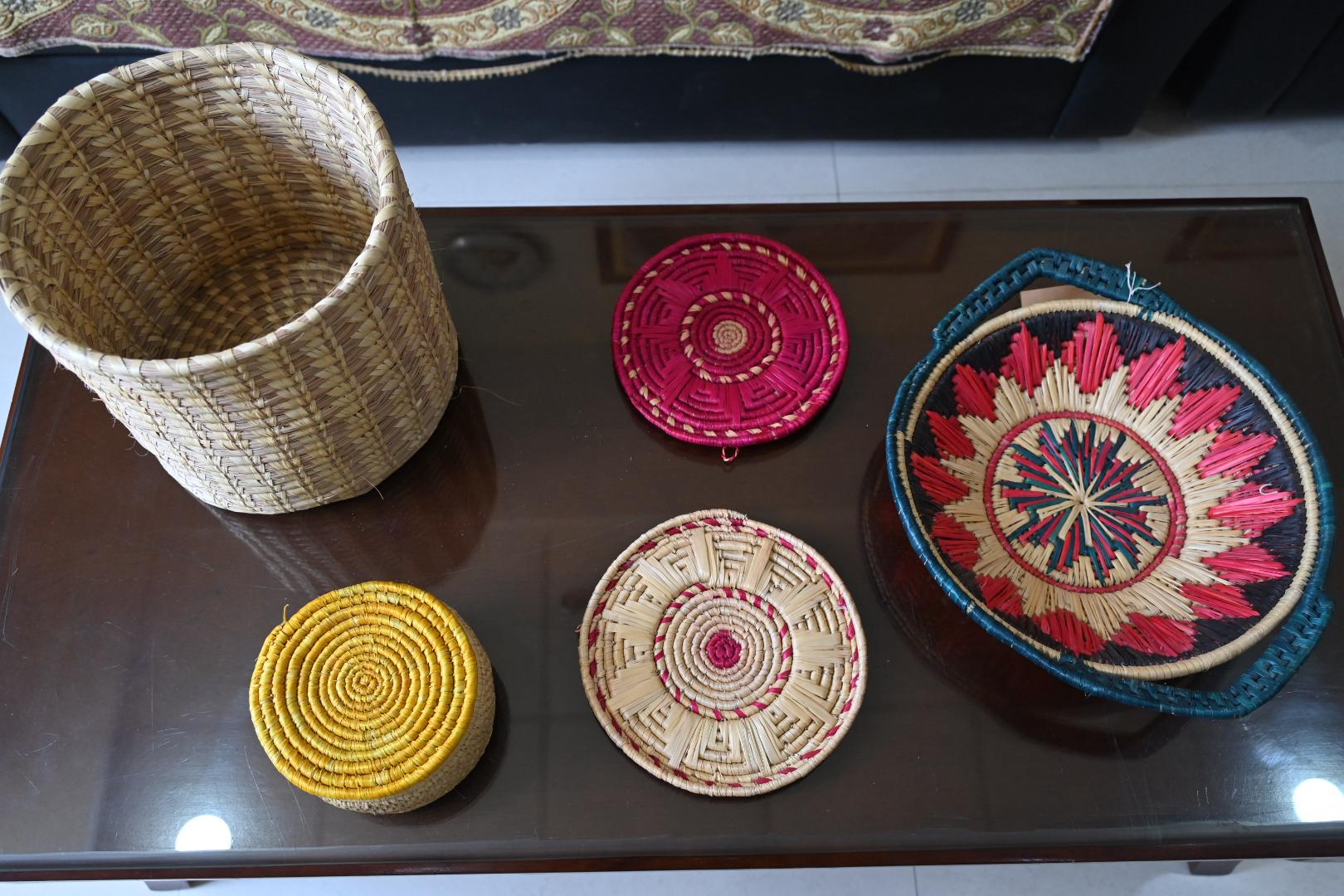
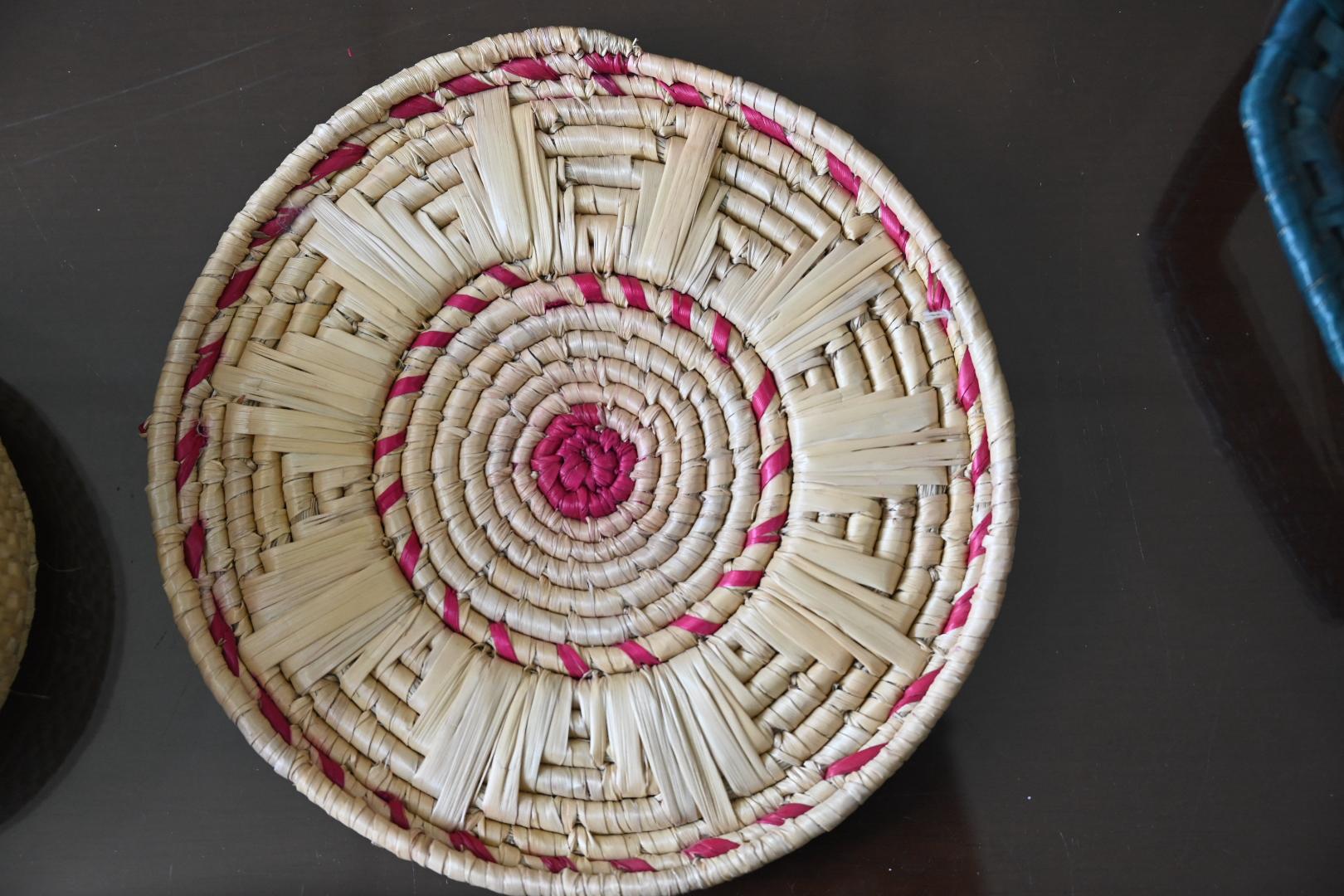
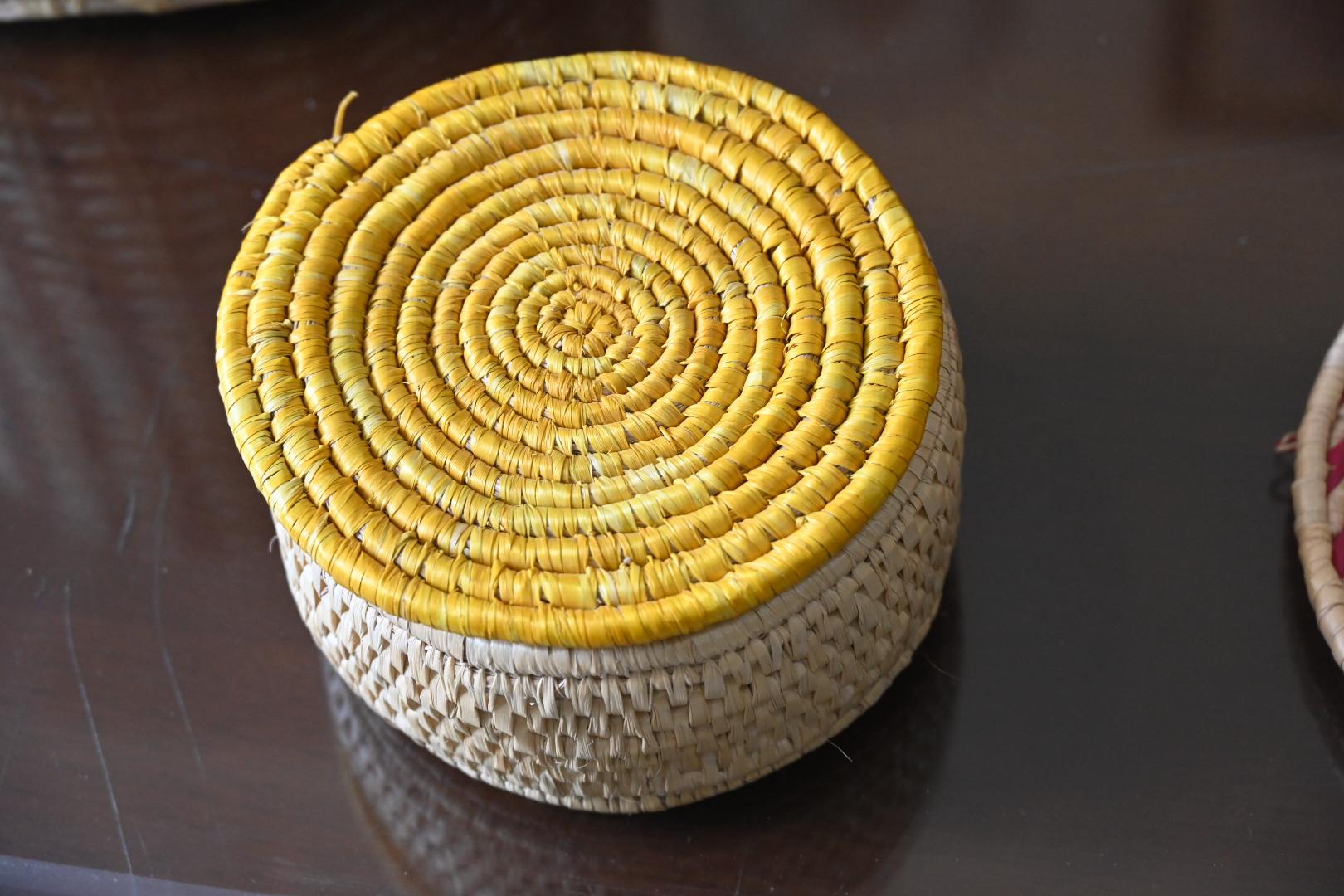
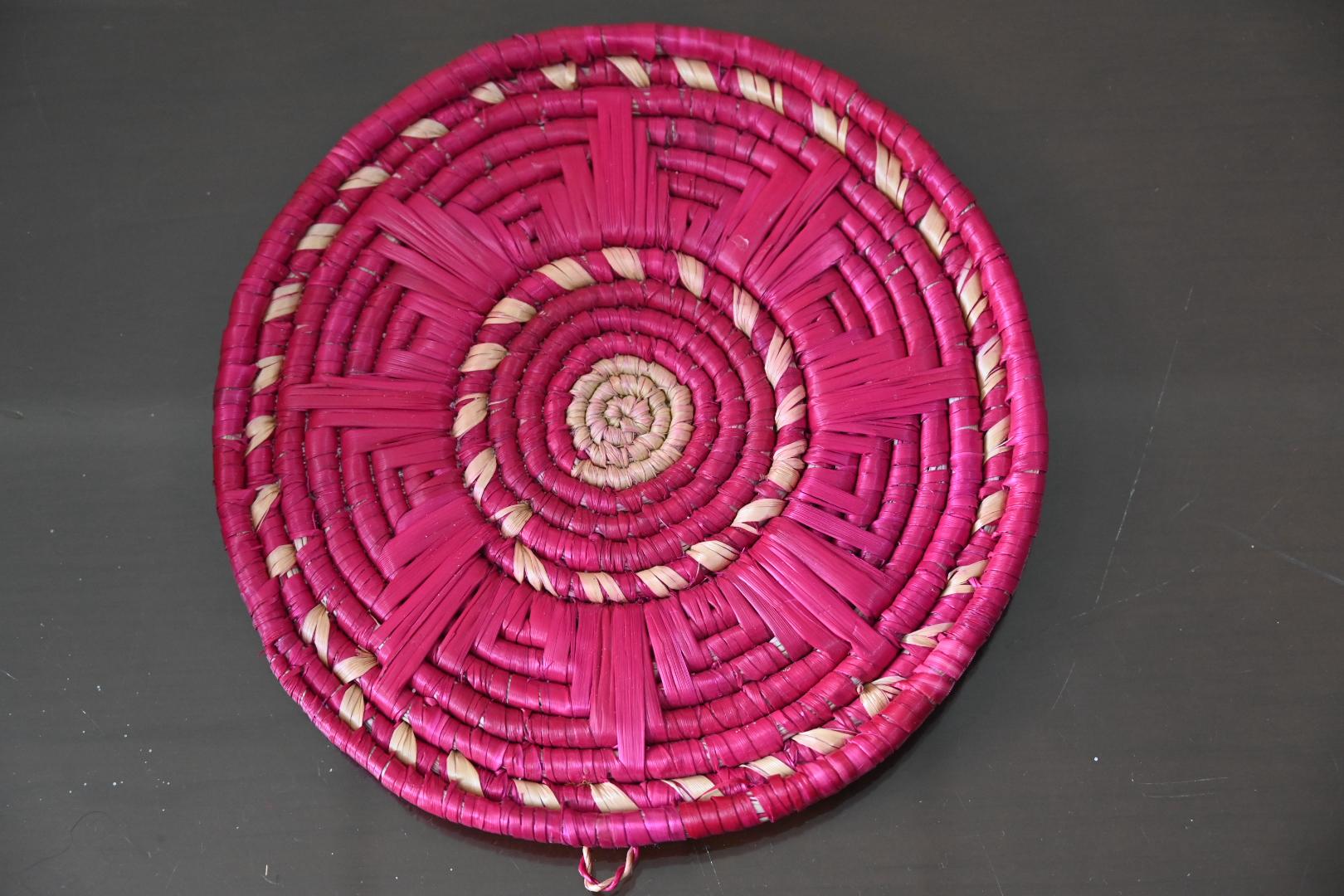
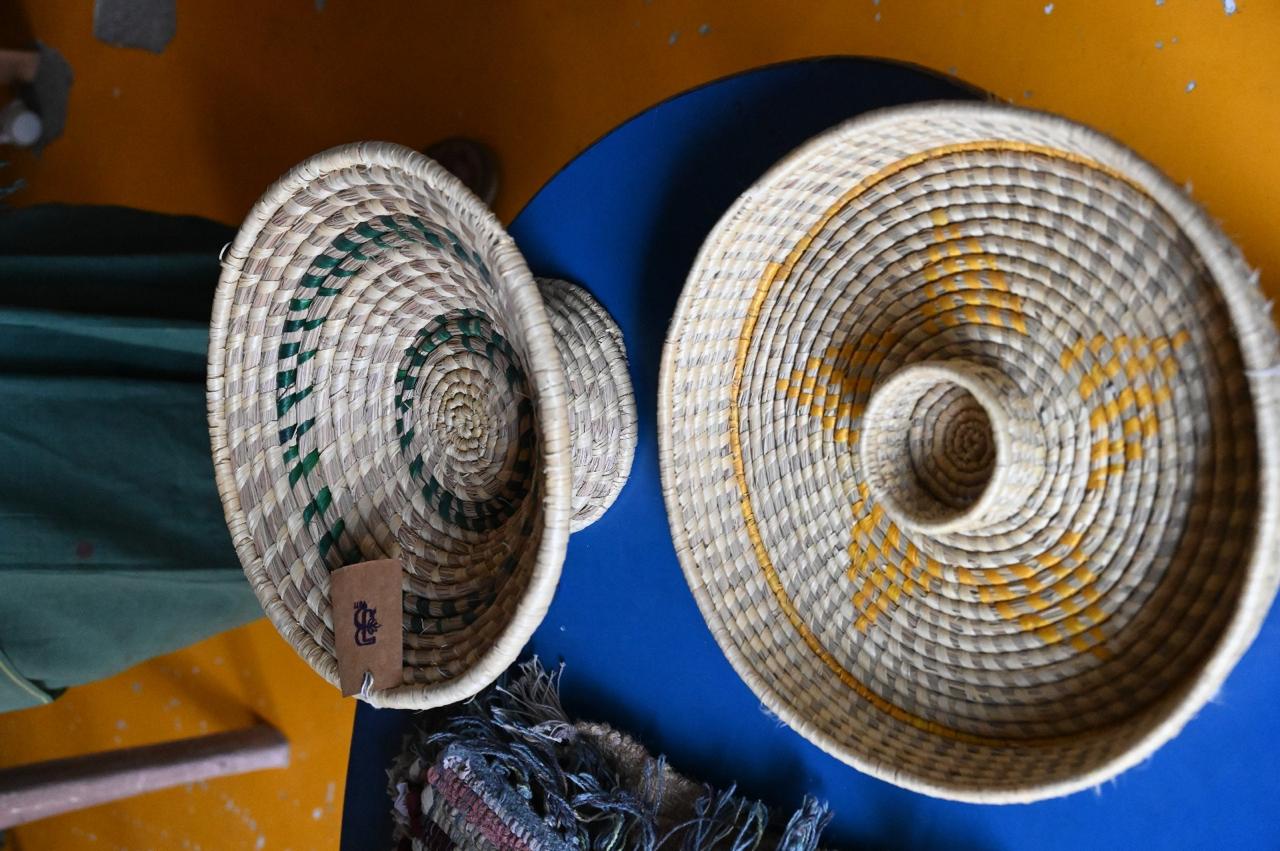
Another ancient craft tradition of Sikki grass weavers are on the verge of extinction in the region. During rainy season on the river banks a special variety of grass is grown with shining smooth surface. Rural women collect them, dry them on their thatched roof. Once dried it is soaked in different colours and once again spread on the roof for drying. Women then prepare coils of coarse grass and prepare a base structure of the basket . Over the surface of this coil built basket intricate designs are woven with sikki grass of various colours . These colourful woven baskets and boxes are still specially made by rural women for special rituals, festivals or storing household goods.

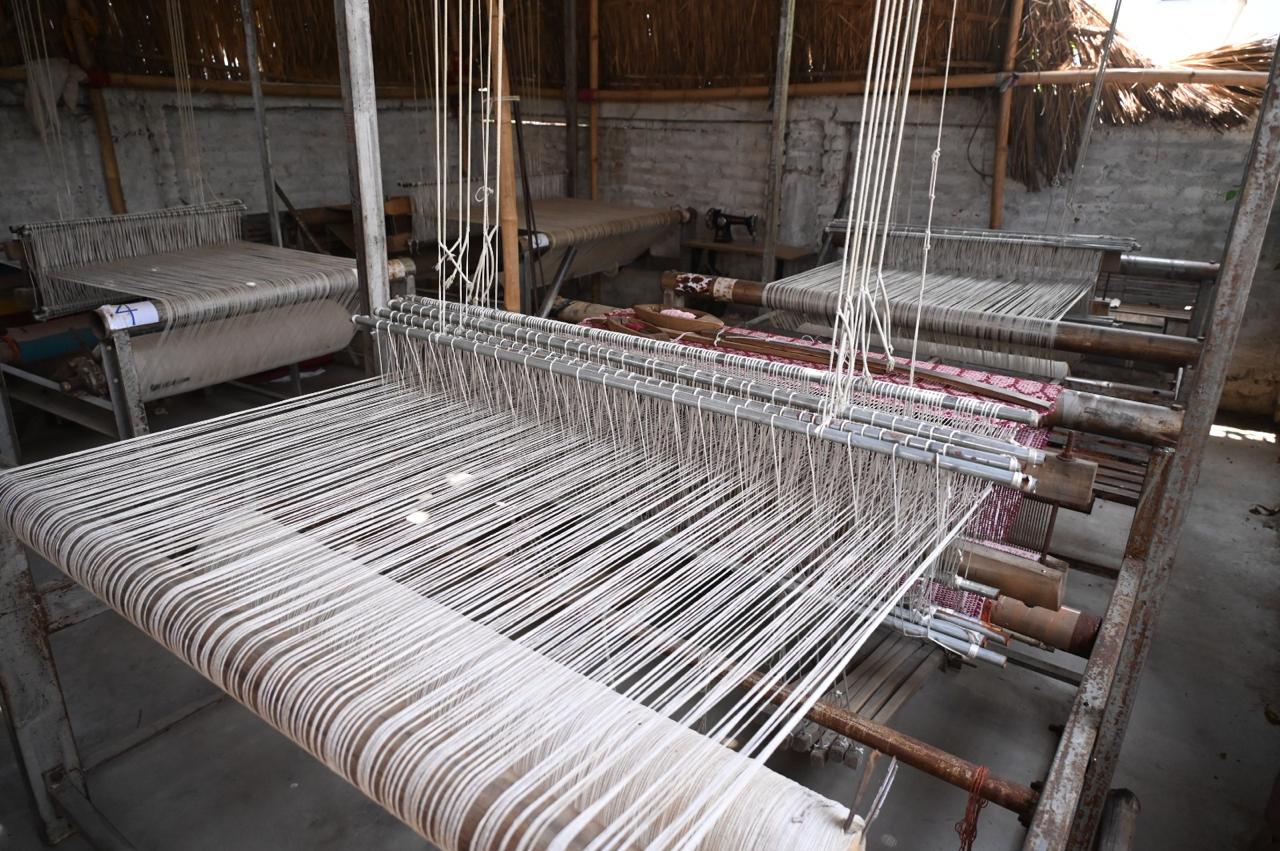
HANDLOOM WEAVING TRADITION IN COTTON AND WOOL

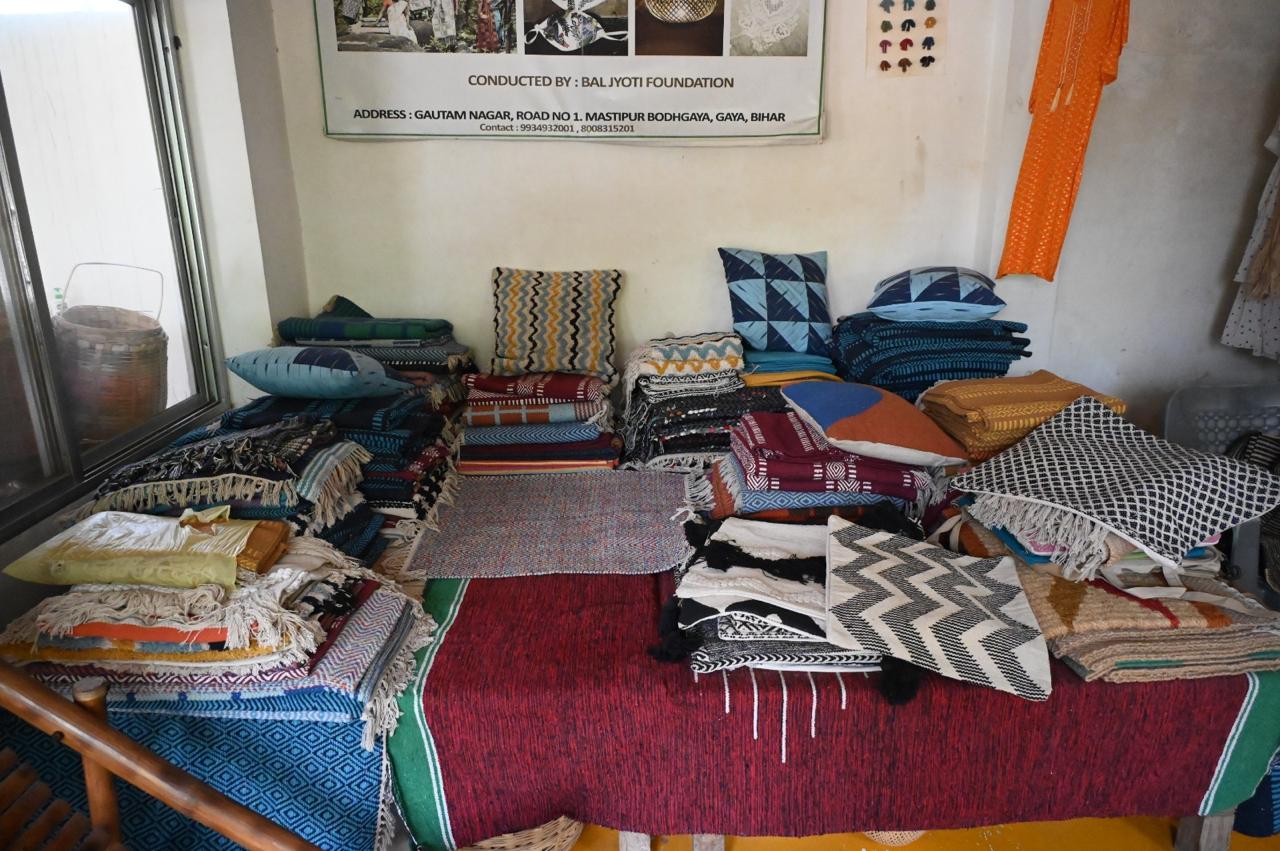
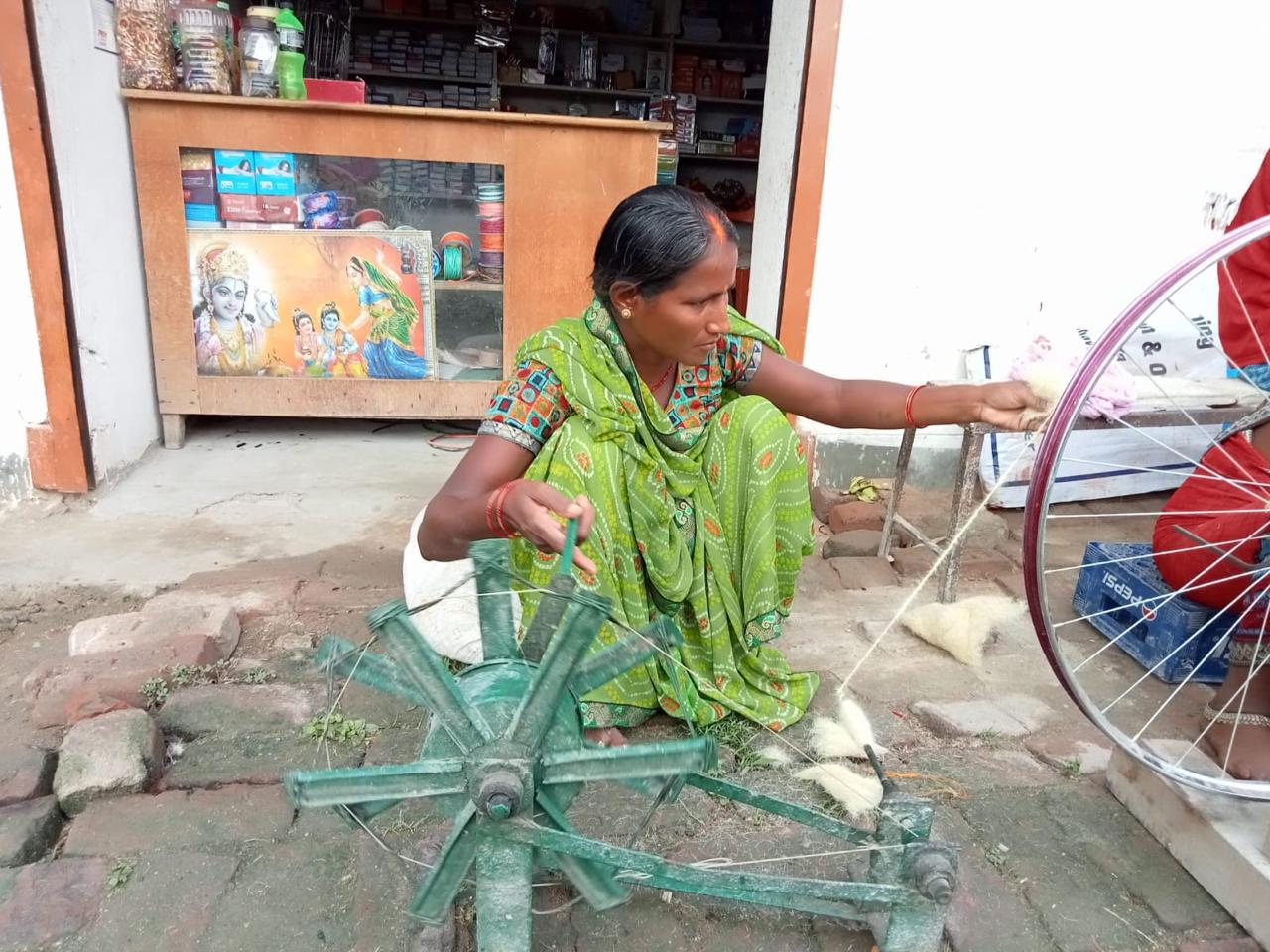
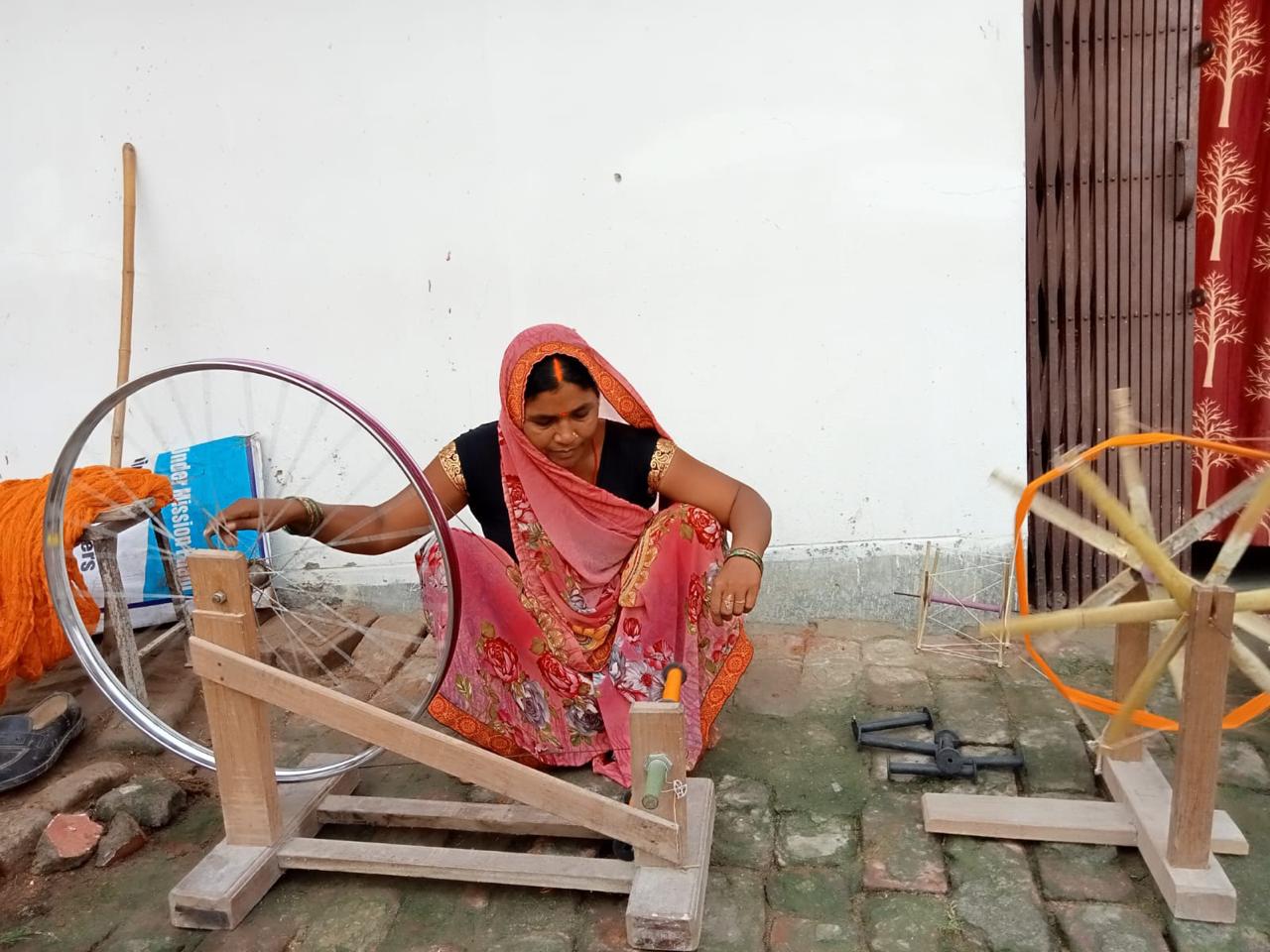
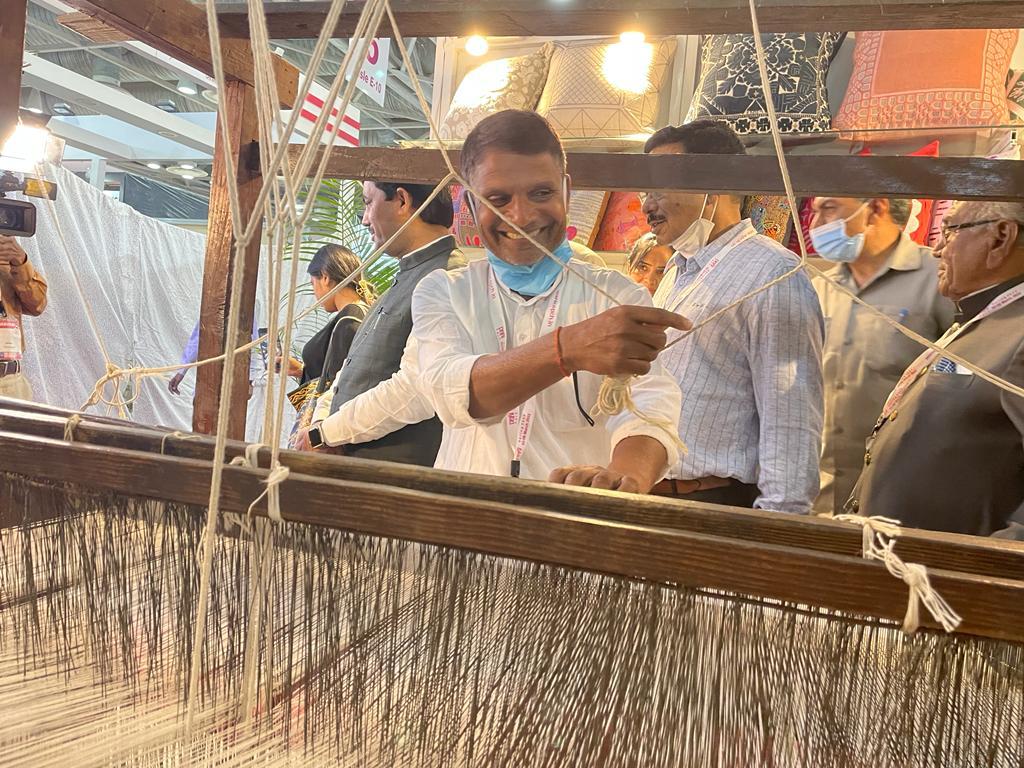
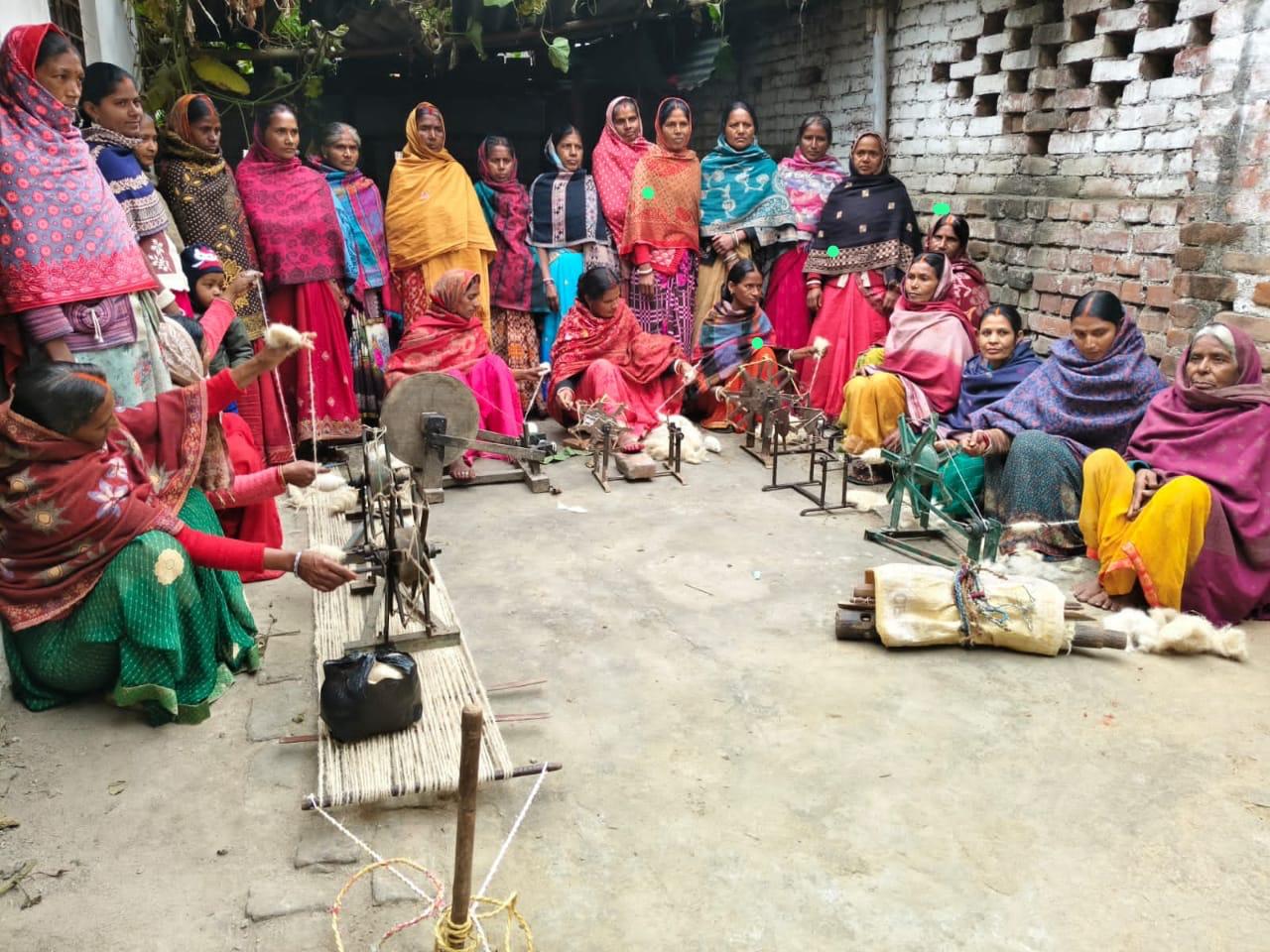
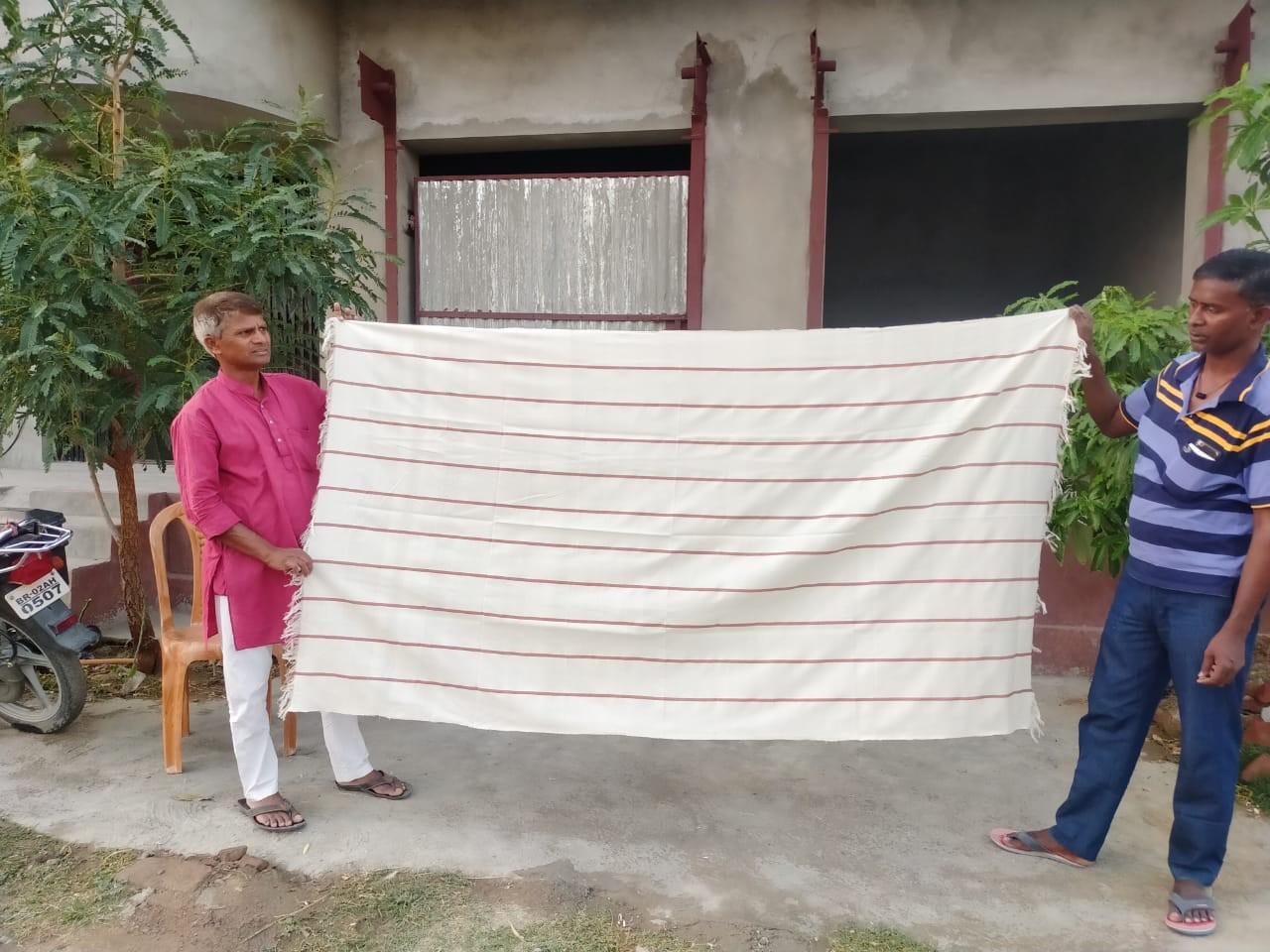
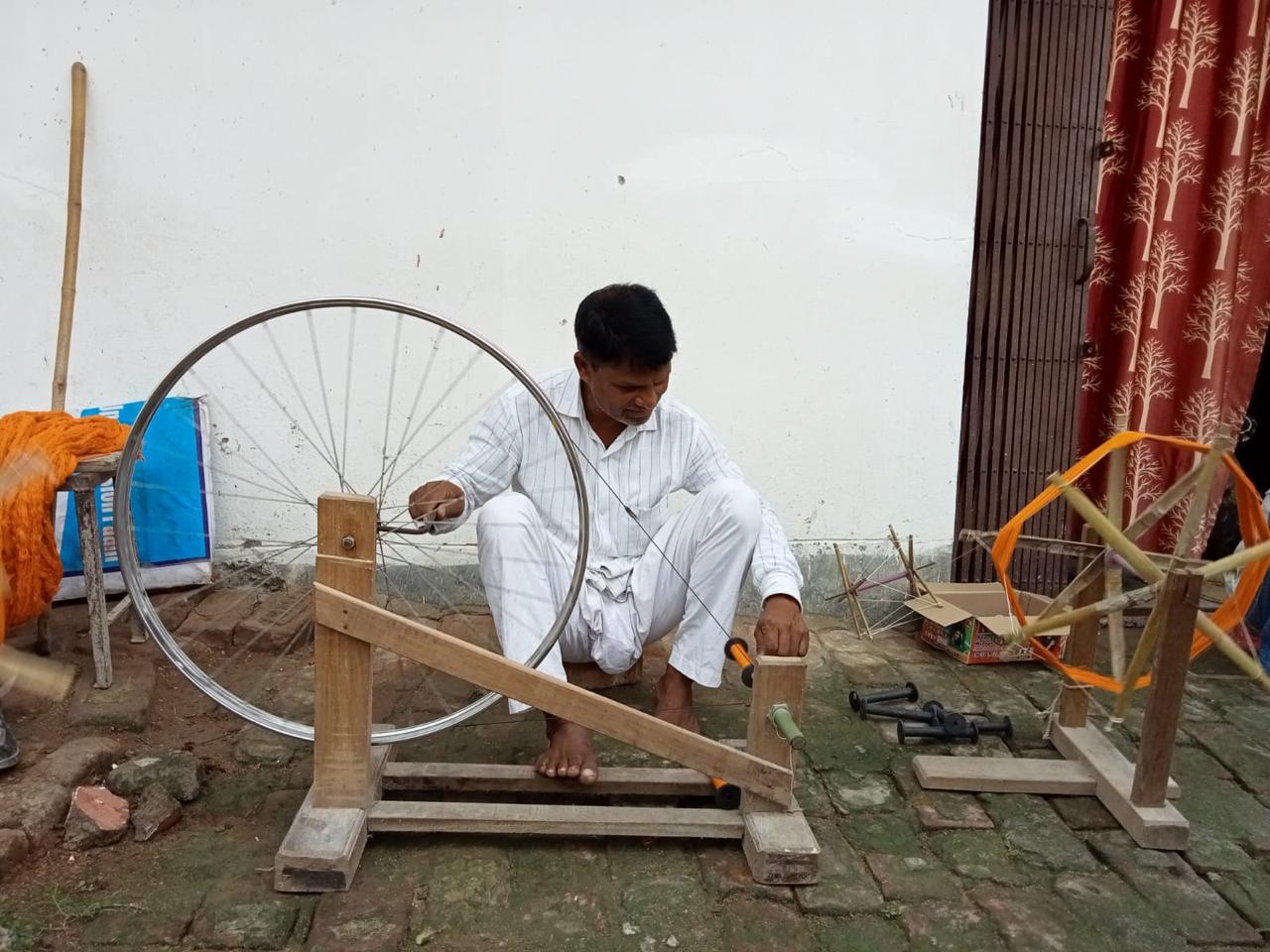
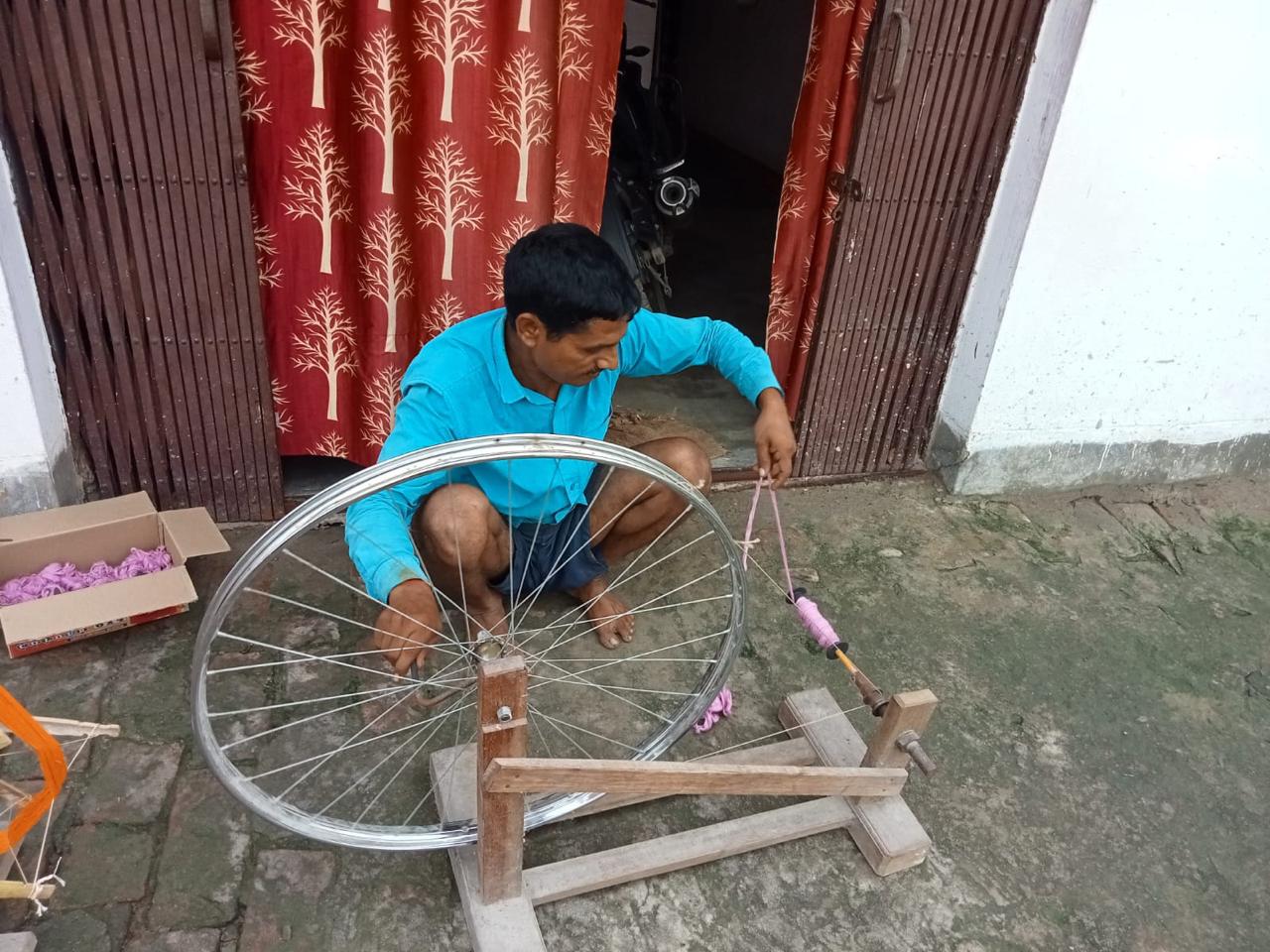
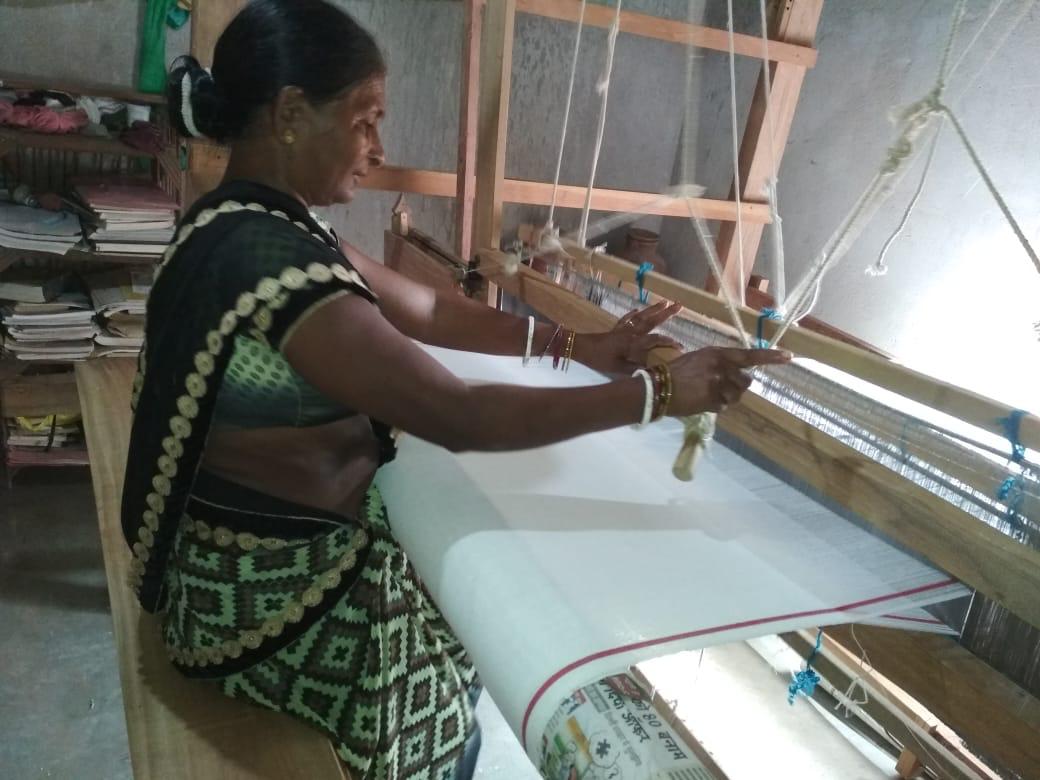
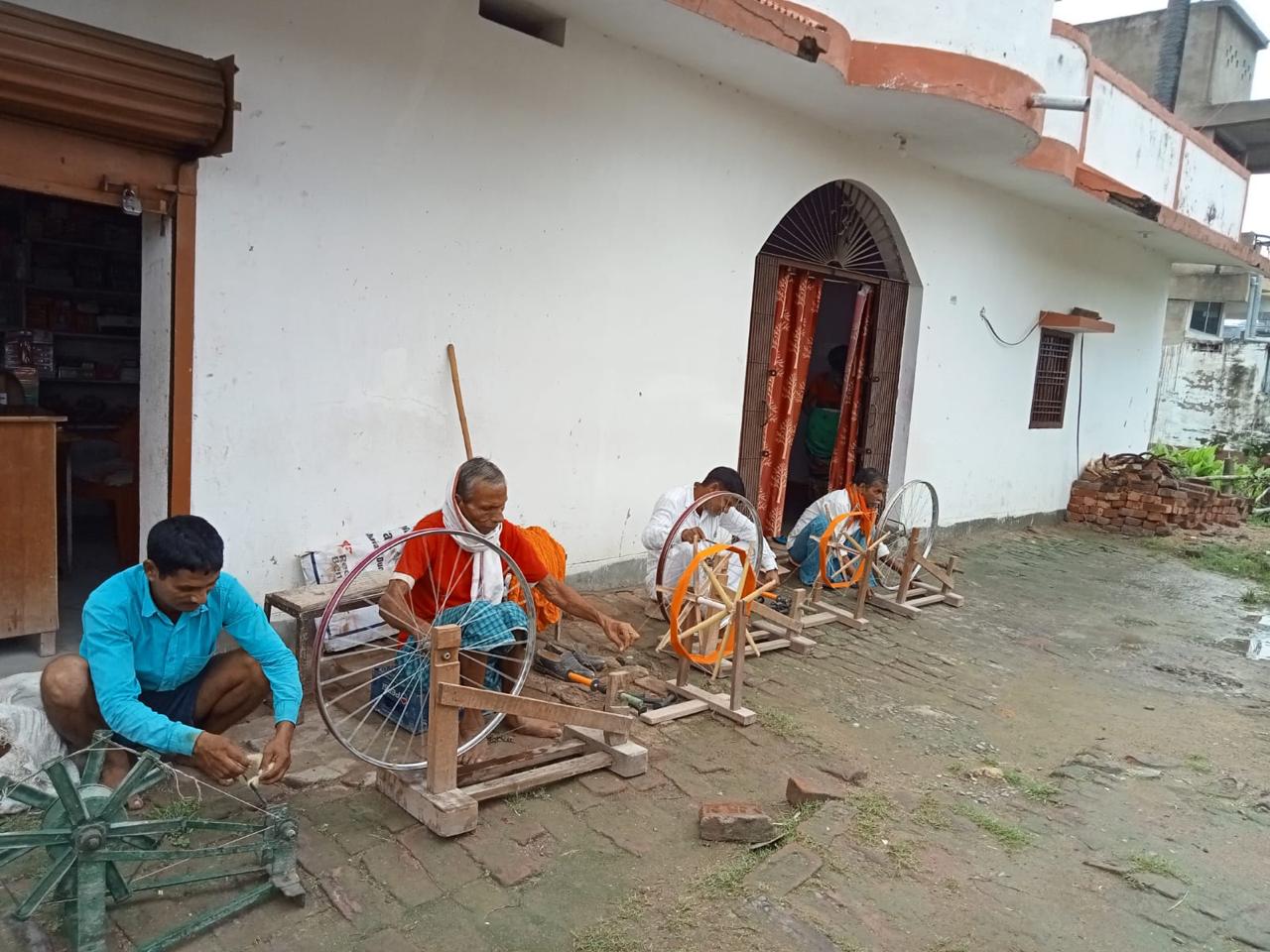
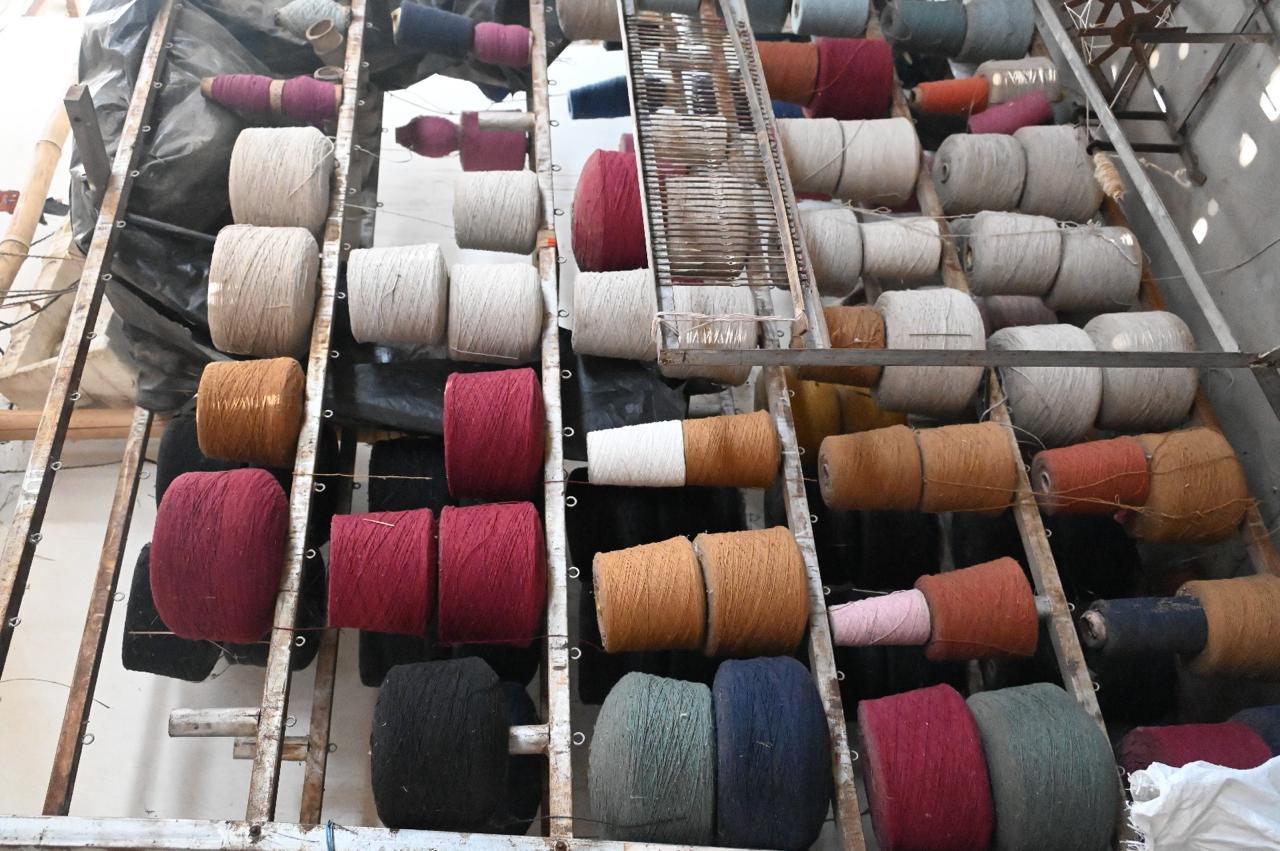
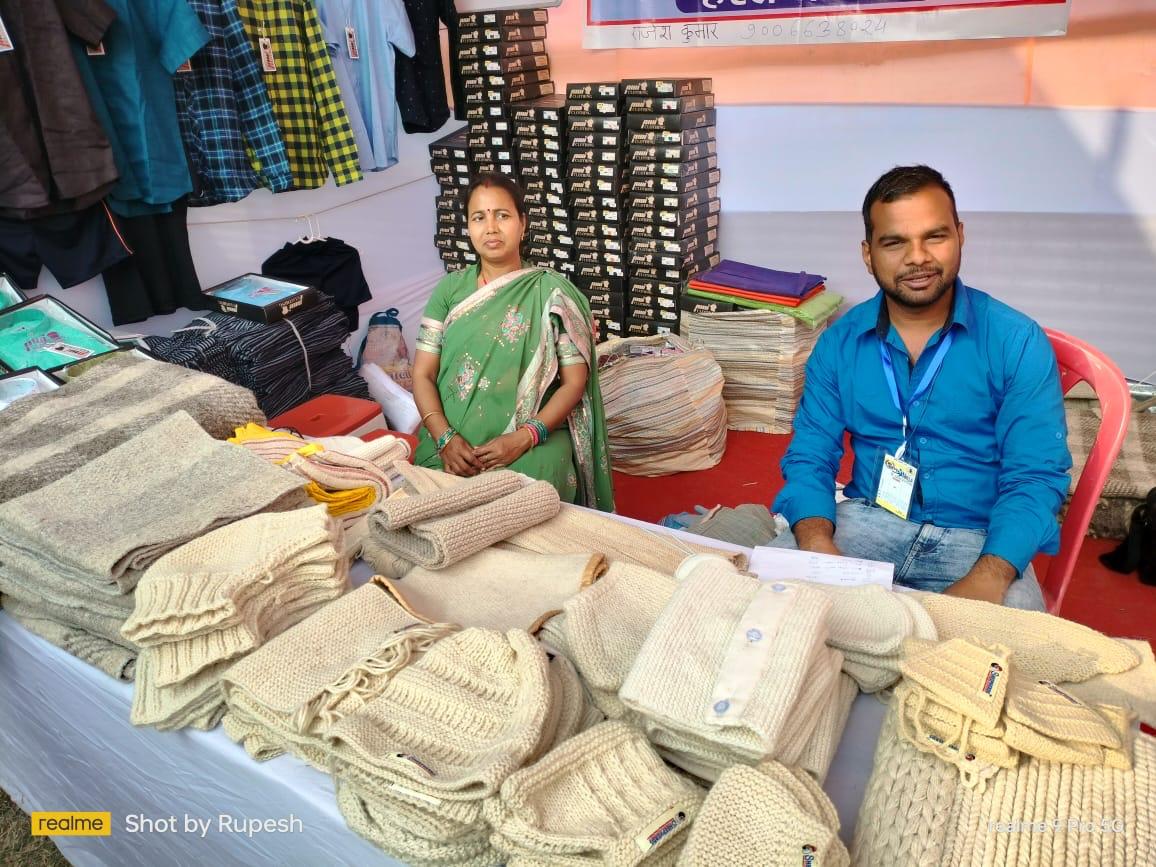
Since the ancient times the hand woven yarns have been equated with ‘ continuity of knowledge’ . The Sanskrit word for yarn is ‘SUTRA”. The spinning wheel and the hand spun yarn of ‘KHADI” became a mission of Gandhi during India’s Freedom movement and became a regular practice amongst the freedom fighters. Khadi yarns and the hand woven fabrics were woven in every village. When India became independent, there were hundreds of villages from Nalanda till Manpur of Gaya, with clusters of handloom weavers weaving yardage and dress materials. It was a thriving business. At present the handloom weaving clusters are limited in Manpur and Rampur area of Bodhgaya. A small community of Sheep wool weavers are also found in Gaya, who make very warm and coarse blankets. Govt. of Bihar has introduced schemes for preserving this ancient traditional folk practice.